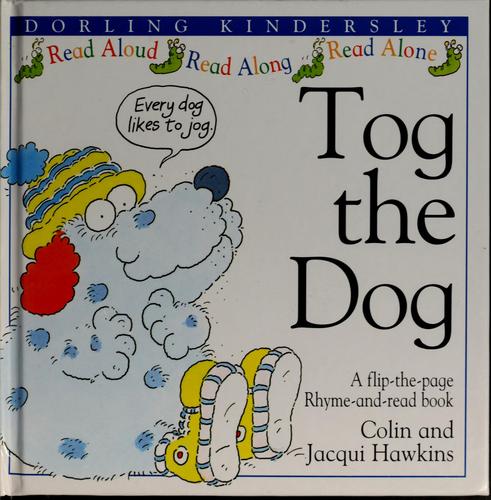
About This Book
Reach for this book when your child's creative efforts don't look like anything 'real,' and you want to celebrate their unique process over a perfect product. This very short and simple rhyming book follows a child who makes a strange, lumpy creature out of clay and loves it, even though 'just what it is is hard to say!' It's a joyful and affirming little story that champions creativity, imagination, and the confidence that comes from making something that is uniquely your own. Perfect for toddlers and preschoolers, its brevity and clear message make it an excellent tool for encouraging artistic exploration without the pressure of perfection.
What Parents Should Know
Sensitive Topics
None. The book is secular, positive, and free of any conflict or challenging themes.
Ideal Reader
A 2 to 4-year-old who is beginning to engage with art materials like paint or clay. It is especially perfect for a child who shows signs of frustration when their creations don't look 'right' or match a specific image. It supports a 'process over product' mindset.
Parent Prep
None required. This book can be read cold and its message is immediately accessible. It serves as a wonderful warm-up before a creative activity like playing with dough or painting. A parent hears their child say, "I messed it up!" or "It doesn't look like a real dog!" while drawing or sculpting. The parent wants to nurture their child's creative spirit and reduce perfectionistic tendencies.


Reviews
No reviews yet — be the first!
Your experience helps other parents find the right book.
Sign in to write a review