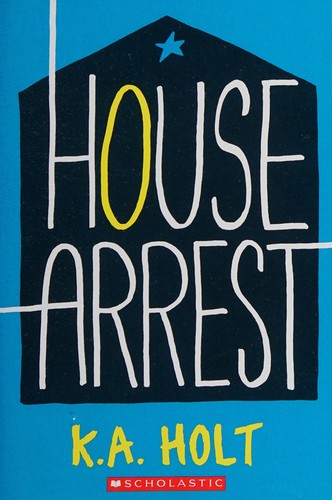
For the child dealing with tough family situations and the consequences of their choices, this verse novel explores empathy, justice, and the power of finding your voice.
A parent might reach for this book when their child is struggling with anger or guilt over a big mistake, especially one made under the pressure of a difficult family situation. This powerful novel in verse tells the story of Timothy, a boy placed on house arrest for stealing a wallet. He did it to pay for medicine for his chronically ill baby brother, and now he must pour his thoughts into a court-mandated journal. The book compassionately explores the moral gray areas of his choice, the strain of poverty and illness on a family, and the frustration of feeling unheard. For ages 10 to 14, it’s an excellent tool for starting conversations about empathy, justice, and finding the courage to speak up for what you need.
The book deals directly with the realities of having a critically ill child in the family, including detailed descriptions of medical equipment (tracheotomy) and health crises. It is a secular and unflinching look at the emotional toll this takes. It also directly addresses financial hardship and poverty as a motivator for crime. The juvenile justice system is portrayed as both punishing and, through certain individuals, potentially helpful. The resolution is realistic and hopeful: there are consequences for Timothy's actions, but he has also successfully gotten his family the attention and support they desperately needed.
Ideal Reader
An 11 to 14-year-old who feels unheard or trapped by family circumstances, particularly illness or financial strain. This book is for the child who is grappling with complex feelings of love, resentment, and responsibility for family members, or for a thoughtful reader who is ready to consider that doing the 'wrong' thing can sometimes come from the 'right' place.
Parent Prep
The book can be read without prior context, but parents should be prepared for its emotional intensity. The scenes describing Levi's breathing emergencies are particularly vivid and may be upsetting. The central moral question, 'Is it okay to break the law to help someone you love?', is the core of the book and warrants a thoughtful post-reading discussion. A parent sees their child acting out, becoming withdrawn, or expressing intense frustration ('It's not fair!') in response to a serious family stressor like a medical diagnosis or financial crisis. The parent is worried their child is bottling up emotions or feeling guilty for their own negative feelings.
Age Experience
A younger reader (10-11) will connect strongly with the injustice of Timothy's situation, his loyalty to his brother, and the core plot of his house arrest. An older reader (12-14) will more deeply appreciate the nuance of the story: the systemic failures of the healthcare system, the moral ambiguity of Timothy's choices, and the subtle development of the adult characters around him.
What Makes It Special
The novel-in-verse format is the key differentiator. It provides an immediate and intimate window into Timothy's mind, making a heavy and complex story feel fast-paced, accessible, and deeply personal. It masterfully captures the authentic voice of a boy under immense pressure, distinguishing it from prose novels that might describe the same events from a greater distance.
Read plot summary
Twelve-year-old Timothy is confined to his home for a year after being convicted of stealing a wallet. The story is told through his weekly journal entries, a condition of his probation. We learn he stole the money to help his single mother pay for the expensive medicine required by his infant brother, Levi, who has a tracheotomy and needs constant care. Through his writing, Timothy processes his frustration with the justice system, his complex relationships with his caring probation officer and therapist, and the overwhelming emotional and financial strain his brother's illness places on his family. As Levi's health takes a turn for the worse, Timothy feels increasingly desperate, leading to a climactic, illegal act that is ultimately a cry for help.
This overview was generated by AI based on the book's content and reviews, and may not capture every nuance.
Discussion Prompts
1
Timothy’s first crime was stealing a wallet, and his second was stealing a car. Do you think one was 'more wrong' than the other? Why or why not?
2
At first, Timothy sees his mandatory journal as a punishment. How does his relationship with writing and his journal change by the end of the book?
3
Timothy feels invisible and that no one is listening to his family's problems. What are some specific moments in the book where adults fail to see what is really going on?
4
If you were Timothy's best friend, José, what advice would you have given him? Would it have changed anything?
5
The book ends with Timothy facing new consequences, but also with new help for his family. Do you consider this a happy ending? Explain your reasoning.