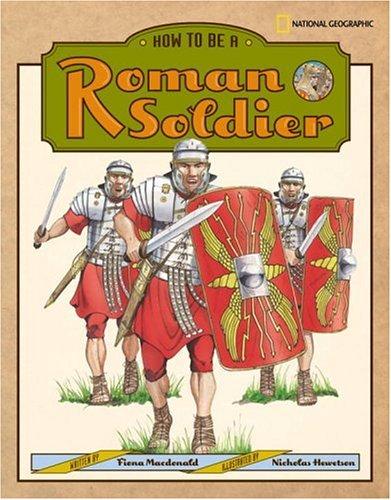
When your child is fascinated by the might of the Roman Empire and wants to know more than just dates and battles, this book is the perfect choice. 'How to Be a Roman Soldier' takes a hands-on approach, detailing the daily life, intense training, gear, and duties of the legionaries who built and defended an empire. It speaks to a child's curiosity while highlighting timeless themes of resilience in the face of hardship and the importance of teamwork. Its accessible format makes complex history digestible and exciting for young readers, turning an abstract topic into a relatable human experience.
The core topic involves military life, so violence, combat, and potential death are central. The book's approach is historical and factual, not graphic or gratuitous. It discusses the purpose of weapons and the realities of battle in a way that is appropriate for the age group, focusing on the 'what' and 'how' rather than the emotional or visceral horror of war. The perspective is secular and historical.
A 7-10 year old who is a hands-on learner and loves history. This child is likely fascinated by knights, soldiers, or gladiators and enjoys understanding the practical details of how things worked. They may be a fan of strategy games, LEGO building, or shows that explore historical jobs and challenges.
Your experience helps other parents find the right book.
Sign in to write a reviewA parent should be prepared for questions about war and why ancient empires fought. It might be helpful to preview the sections on battle to be ready to discuss conflict in a historical context. The book can be read cold, but it offers a great springboard for conversations about discipline, hardship, and the structure of societies. The child has just finished a school unit on Ancient Rome and is full of questions, or they've seen a movie with Roman soldiers and asked, 'What was it really like to be one of them? Could I do that?'
A younger child (7-8) will likely focus on the tangible elements: the cool armor, the sword, the shield, and the specific daily tasks. An older child (9-10) will be better able to grasp the more abstract concepts of Roman strategy, the societal importance of the army, and the incredible discipline required.
While many books cover Ancient Rome, the 'how-to' guide format is this book's standout feature. It reframes history from a collection of facts to a set of skills to be learned. This participatory approach makes the information more memorable and personally engaging for a young reader.
This non-fiction book is structured as a 'how-to' guide for becoming a Roman soldier. It covers the entire process from recruitment and the grueling training regimen to the specifics of a soldier's armor and weaponry. The book also details daily life, including duties like building roads and forts, the food they ate, the pay they received, and basic battle tactics like the famous 'testudo' formation. It presents historical facts in a highly engaging, first-person instructive style.
This overview was generated by AI based on the book's content and reviews, and may not capture every nuance.
