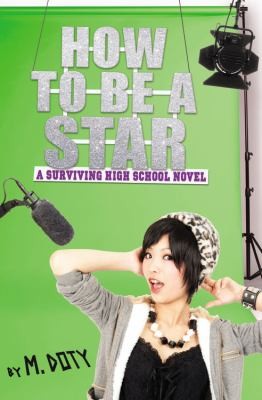
A parent might reach for this book when their creative, ambitious teen is grappling with intense self-doubt and the fear of putting themselves out there. "How to Be a Star" is a heartfelt and humorous story about a talented young musician who dreams of sharing her songs but is paralyzed by stage fright. The book authentically captures the internal battle between ambition and anxiety, exploring themes of self-confidence, bravery, and the importance of supportive friendships. Appropriate for ages 12 to 16, it navigates the social pressures of school life with wit and compassion. It’s a wonderful choice for any young person who needs encouragement to find their own voice and learn that true stardom is about the courage to be yourself.
The primary sensitive topic is mental health, specifically social anxiety and self-doubt. The approach is direct, with much of the conflict occurring within the protagonist's internal monologue. The perspective is secular and psychological, focusing on cognitive and behavioral strategies for overcoming fear. The resolution is hopeful and realistic: the ultimate victory is not winning the competition, but the act of performing itself.
Ideal Reader
A 13-year-old who loves to sing, write, or draw but is too shy to share their work with anyone. This reader likely struggles with comparing themselves to more outgoing peers, feels intense self-consciousness, and needs a model for what bravery can look like for an introvert.
Parent Prep
This book can be read cold. The themes are common to the adolescent experience and are handled in an age-appropriate, constructive manner. No specific scenes require pre-reading, but the story provides an excellent, low-pressure entry point for parents to discuss vulnerability, courage, and their own experiences with self-doubt. A parent hears their child say, "I'm not good enough," or, "What if everyone laughs at me?" They may have witnessed their child give up a creative passion or avoid an opportunity because they were afraid of being judged.
Age Experience
A younger reader (12-13) will likely focus on the plot, the school-life humor, and the friendship dynamics. An older reader (14-16) will connect more deeply with the nuanced portrayal of anxiety, the internal battle against imposter syndrome, and the broader theme of defining your identity on your own terms.
What Makes It Special
Among many books about performance and school, this one excels in its humorous and deeply authentic portrayal of the internal life of a creative, anxious teen. It places less emphasis on the external rewards of fame and more on the internal reward of creative self-expression, making it a powerful mirror for young artists who struggle with the vulnerability of sharing their work.
Read plot summary
The story centers on a shy but talented teenage songwriter who is crippled by performance anxiety. When the annual school talent show is announced, her best friend pushes her to enter. The narrative follows her journey of overcoming her inner critic, navigating a rivalry with a more polished and popular performer, and finding the courage to share her authentic voice with her peers, regardless of whether she wins or loses.
This overview was generated by AI based on the book's content and reviews, and may not capture every nuance.
Discussion Prompts
1
The main character almost backs out of the talent show at the last minute. What do you think gave her the final push to go on stage? Was it her friend's encouragement, her own courage, or something else?
2
Think about the more popular performer who acts as the protagonist's rival. Do you think she was intentionally mean, or was she also feeling insecure in her own way? What parts of the story support your idea?
3
After reading, what do you think the title "How to Be a Star" really means? Is it about being famous, or is it something else? How does the main character become a 'star' in her own life by the end of the book?
4
How did the main character's best friend help her on her journey? Describe a time a friend helped you be brave or a time you helped a friend.