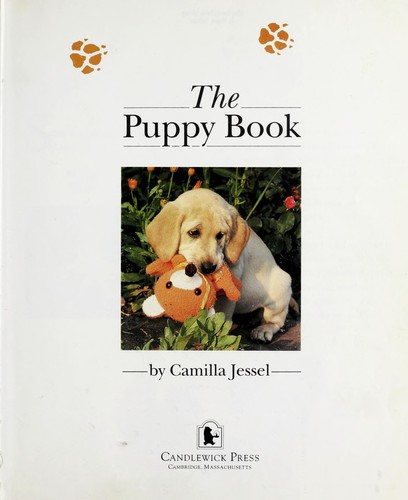
Reach for this book when your child is ready to start interacting with dogs, whether you are bringing home a new puppy or navigating your local park. While many children are naturally drawn to animals, they often lack the impulse control or spatial awareness to approach a dog in a way that feels safe for the animal. This guide bridges that gap by focusing on the 'language' of dogs and the importance of personal boundaries. Through clear instructions and a focus on empathy, the book teaches children that every dog is an individual with its own feelings. It covers body language, the correct way to offer a hand, and when it is best to leave a dog alone. It is an essential tool for building confidence and safety, transforming a child's excitement into a respectful and rewarding friendship with their four-legged neighbors.
The book handles the reality of animal aggression and fear in a direct, secular, and realistic manner. It does not shy away from the fact that a dog might bite if scared, but it frames this as a communication style rather than the dog being 'bad.'
Your experience helps other parents find the right book.
Sign in to write a reviewA 6-year-old animal lover who is 'high energy' and tends to rush toward things they love. This child needs to understand that their enthusiasm can be overwhelming to others and requires a framework for slowing down.
This book is best read together. Parents should be prepared to model the 'hand sniff' and 'gentle pat' described in the text. It can be read cold, but practicing the physical movements is recommended. A parent might reach for this after their child was snapped at by a dog, or conversely, after witnessing their child pull a dog's tail or corner a pet in a way that felt unsafe.
Younger children (4-5) will focus on the 'do and don't' rules and the pictures of the dogs. Older children (7-9) will better grasp the concept of consent and the subtle nuances of canine body language.
Unlike many pet books that focus on care (feeding, walking), this one focuses exclusively on the social-emotional boundary between humans and animals. It treats dogs as sentient beings with rights, rather than just playthings.
This instructional guide functions as a manual for safe social interactions between children and dogs. It breaks down the 'hello' process into actionable steps: asking the owner for permission, reading the dog's body language (tail position, ear movement), and the physical mechanics of a safe approach. It also highlights 'no-go' zones, such as when a dog is eating or sleeping.
This overview was generated by AI based on the book's content and reviews, and may not capture every nuance.