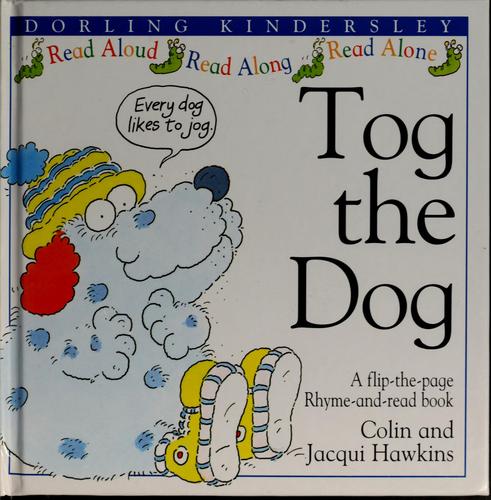
About This Book
A parent might reach for this book when their energetic child is struggling with the expectation to 'sit still.' For the kid who wiggles, fidgets, and expresses every emotion with their whole body, this book is a joyful mirror. It follows a young girl who simply cannot stop dancing, whether she's at the zoo, the grocery store, or the dinner table. It beautifully validates the need for physical self-expression, framing it not as a problem to be solved, but as a wonderful, creative impulse. This short chapter book is perfect for early elementary readers, celebrating confidence and the freedom to be oneself.
What Parents Should Know
Sensitive Topics
None. The book is entirely positive and secular. It focuses on the internal joy of the main character. Any external conflict (like a parent asking her to be still) is presented gently and is not a source of shame or significant distress.
Ideal Reader
A 6 to 8-year-old kinesthetic learner. This book is for the child who is often told to 'settle down' or 'stop wiggling.' It offers powerful validation for children who think and feel through movement, affirming that their energy is a source of creativity and joy.
Parent Prep
No preparation is needed. This book can be read and enjoyed immediately. Its message is direct, positive, and easy for a child to grasp without extra context. The parent has just received a note from a teacher about their child's fidgeting in class, or they've had a particularly challenging public outing where the child's constant movement was a source of stress. The parent is looking for a way to channel and celebrate this energy, not just correct it.
Reviews
No reviews yet — be the first!
Your experience helps other parents find the right book.
Sign in to write a review