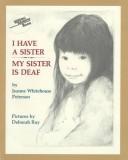
Reach for this book when your child starts noticing physical differences or asks why someone might not respond when spoken to. It is an ideal choice for fostering empathy and explaining the sensory experience of hearing loss in a way that feels natural rather than clinical. The story follows a young girl as she describes her younger sister's life, highlighting how they communicate through gestures, eyes, and touch. It beautifully balances the challenges of being deaf with the many ways sisters bond, making it a gentle introduction to disability and inclusion for children ages 4 to 8. Parents will appreciate its focus on what the sister can do, rather than just what she cannot.
The book addresses physical disability with a direct, secular, and deeply realistic approach. It does not look for a 'cure' or a miracle; instead, it focuses on adaptation and acceptance. The tone is hopeful and grounded.
Your experience helps other parents find the right book.
Sign in to write a reviewAn empathetic 6-year-old who has a new classmate with a hearing aid or a child who is becoming aware of how their own body works compared to others.
This book can be read cold. However, parents might want to look up a few simple American Sign Language signs beforehand to practice with their child after reading. A parent might reach for this after their child asks a blunt question in public about someone's disability, or if a sibling is feeling frustrated by a family member's different needs.
Younger children (4-5) will focus on the sensory details like 'feeling' the thunder. Older children (7-8) will pick up on the social nuances, such as the sister's need to watch faces to understand feelings.
Unlike many books on disability that focus on the 'struggle,' this book is a celebration of a specific sensory perspective. It uses evocative, lyrical language to make the deaf experience relatable rather than 'othered.'
The narrative is a first-person account by an older sister describing the daily life of her younger sister, who is deaf. Rather than a traditional plot with a climax, the book functions as a poetic documentary of their relationship. It covers how the sister uses her other senses to experience the world: feeling vibrations of the floor, watching lips move, and using sign language. It also honestly depicts moments of misunderstanding, such as when the sister doesn't realize she is being called or when she cannot hear the wind.
This overview was generated by AI based on the book's content and reviews, and may not capture every nuance.