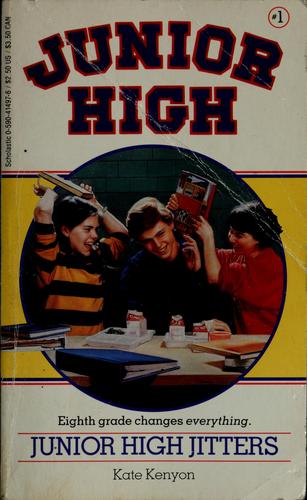
For any child facing the daunting transition to junior high, this story explores common anxieties about fitting in, making friends, and navigating a new school environment.
A parent might reach for this book when their child is expressing significant anxiety about the social and academic leap to junior high. It directly addresses the fear of getting lost, not knowing anyone, and failing to fit in with new social groups. The story follows a young girl's first weeks at her new school, detailing her worries, her embarrassing moments, and her eventual triumphs in finding her place and making genuine friends. It gently explores themes of self-confidence, belonging, and the pressure to be someone you're not. For kids aged 11-14, this book acts as a comforting guide, showing them that their fears are normal and that navigating this big change is possible.
The book's primary focus is on social anxiety and the fear of not belonging. The approach is direct and highly relatable, framing these feelings as a normal part of growing up. The resolution is hopeful and character-driven, emphasizing self-acceptance. The tone is entirely secular and avoids complex or heavy topics like death, divorce, or significant trauma, keeping the stakes focused on school and social life.
Ideal Reader
This is for the 11 or 12-year-old who is internally focused and worried about the social aspects of a new school. They might be quiet, a bit of a worrier, and concerned about being invisible or looking foolish in a large, new environment. It’s perfect for the child who thrives on realistic, low-stakes stories that validate their inner world.
Parent Prep
No prep is needed; the book can be read cold. However, parents might want to be ready to discuss the cultural differences between 1986 and today (e.g., no cell phones, different slang or fashion). This can be a fun way to connect, comparing their own middle school experiences to the protagonist's and their child's. A parent hears their child say, "I'm scared for next year," "What if I don't make any friends?" or "Everyone already knows each other." The child may seem more withdrawn or worried as the start of a new school year approaches.
Age Experience
An 11 or 12-year-old will see this as a direct, comforting guide to their immediate future, finding the protagonist’s fears highly relatable. A 13 or 14-year-old may find the plot and resolution a bit simple, but they will likely appreciate it as a comforting, nostalgic read that reminds them they survived the same transition.
What Makes It Special
Published in 1986, its primary differentiator is its classic, gentle approach. Unlike many contemporary middle-grade novels that tackle heavier themes, this book keeps the focus squarely on the everyday anxieties of school life. Its simplicity and lack of high drama are its strengths, offering a quiet, reassuring voice that says, "You're not alone in feeling this way."
Read plot summary
The story centers on a girl, likely in seventh grade, who is overwhelmed by the transition from a small elementary school to a large, impersonal junior high. She worries about everything from navigating the hallways to finding a place to sit at lunch. Early on, she feels isolated when her best friend from elementary school quickly makes new friends. She makes a few social missteps trying to impress a popular clique, leading to moments of embarrassment. The core conflict is internal: her struggle with anxiety and the external pressure to fit in. She eventually finds her footing by reconnecting with her own interests and values, forming authentic friendships with peers who like her for who she is.
This overview was generated by AI based on the book's content and reviews, and may not capture every nuance.
Discussion Prompts
1
At the start of the book, the main character makes a list of all her worries about junior high. Which of her worries did you relate to the most? Were there any you hadn't thought of before?
2
Think about the scene where she tries to impress the popular kids. Why do you think she did that, even if it didn't feel right? Was there ever a time you felt pressured to act like someone you're not?
3
How did the main character's friendship with her old best friend change after they started the new school? Do you think this is a realistic thing that happens? Why?
4
The main character eventually finds friends who like her for her true self. What specific actions or decisions helped her find her confidence and her people?