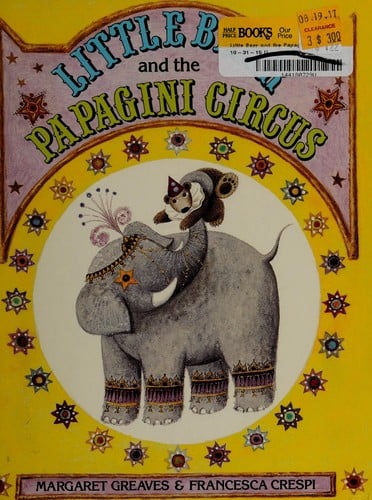
Margaret Greaves' 'Little Bear and the Papagini Circus' is a charming early chapter book that captures the magic and wonder of the circus through the eyes of a young, aspiring bear. Little Bear's family are all performers, and he deeply desires to contribute, but he hasn't yet found his special talent. The narrative beautifully builds his longing and the gentle frustration of not quite fitting in, a feeling many young readers can relate to. The turning point comes not from deliberate practice, but from a series of delightful, unforeseen accidents that thrust Little Bear into the spotlight, revealing a unique talent he never knew he had. This handling of unexpected success is particularly refreshing, showing children that sometimes the path to achieving a dream isn't always linear or planned.
The emotional arc is gentle and hopeful, starting with Little Bear's quiet yearning and culminating in a triumphant, joyful experience. The book handles the theme of self-discovery and bravery in a very accessible way, making it suitable for children who might be feeling a bit shy or unsure of their own abilities. It's ideal for a child who dreams of performing, or one who feels a little overshadowed by family members. Parents might reach for this book when their child is expressing a desire to try something new but is hesitant, or when discussing the idea that mistakes or accidents can sometimes lead to wonderful outcomes. There are no sensitive topics requiring extensive parent preparation, making it a comforting read. Younger children (4-6) will enjoy it as a read-aloud, focusing on the whimsical story and illustrations, while older children (7-11) can independently read and appreciate the subtle messages about perseverance and self-worth. Its focus on an animal protagonist in a classic circus setting, combined with the 'accidental hero' trope, gives it a unique flavor among books about finding one's talent.