Wonderlit Review
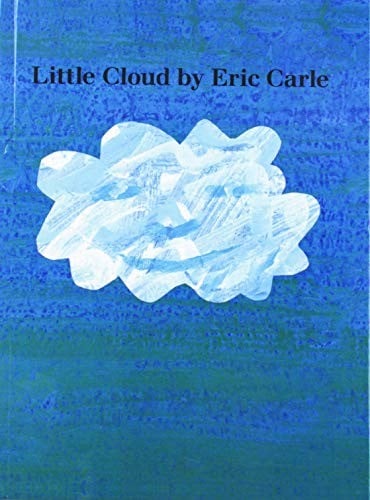
This analysis is based on the assumption that the book in question is Eric Carle's 'Little Cloud,' a children's picture book, despite the provided Wikipedia extract detailing James Joyce's adult short story of the same title. Given the author (Eric Carle), publisher (World of Eric Carle), and page count (24), it is highly probable that this is a classic Carle-style picture book.
Eric Carle's 'Little Cloud' likely follows a small cloud as it drifts through the sky, transforming into various recognizable shapes, such as animals, objects, or even other clouds. This narrative structure is characteristic of Carle's work, which often combines simple storytelling with vibrant, distinctive collage illustrations to introduce young children to concepts and encourage observation. The book would gently guide readers to use their imagination, prompting them to identify the shapes the cloud takes and perhaps even envision their own.
The emotional arc would be one of gentle wonder and playful discovery, without any heavy themes or sensitive topics. It aims to foster curiosity about the natural world and the joy of creative thinking. This book is specifically for young children, typically ages 2-6, who are developing their observational skills and imagination. A parent would reach for this book as a calming bedtime story, a read-aloud to spark imaginative play, or to introduce basic concepts about weather and nature.
Parents should prepare for a simple, visually driven experience. There are no scenes to preview or complex setups needed; it's a straightforward, delightful read. Younger children (2-3) will enjoy pointing out the shapes and the bright colors, while slightly older children (4-6) might engage more with the imaginative aspect, creating their own cloud stories. What makes this book different from others on cloud shapes is Eric Carle's iconic art style and his gentle, accessible approach to concept learning, making it a beloved choice for early childhood literacy.
Discussion Prompts
1
What shapes do you see in the clouds outside?
2
If you were a cloud, what would you want to turn into?
If Your Family Enjoyed This
Reviews
No reviews yet. Be the first to share how this book landed with your family.