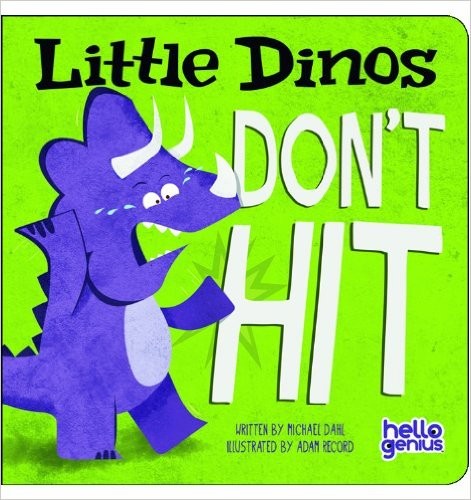
A parent would reach for this book when their toddler has begun using physical force, such as hitting, pushing, or grabbing, to express frustration or desire. It serves as a gentle, non-punitive intervention tool that helps redirect impulsive behaviors into positive physical outlets. The story follows a relatable little dinosaur who learns that while hands are strong, they are meant for helping and playing rather than hurting. By focusing on what hands CAN do, the book reinforces a child's sense of capability and kindness. It is perfectly tuned for the developmental stage of ages one to four, where big emotions often outpace verbal communication skills. Parents will appreciate the simple, repetitive text that makes the lesson easy to remember in the heat of a tantrum, providing a calm script for setting healthy social boundaries.
Your experience helps other parents find the right book.
Sign in to write a reviewThe book deals with physical aggression in a secular and direct way. It treats hitting as a developmental hurdle rather than a moral failing, offering a hopeful and realistic resolution where the child masters self-control.
A two or three-year-old who is struggling with 'hands-on' frustration at daycare or with a new sibling and needs a concrete model of what 'nice hands' look like.
This book can be read cold. It is most effective when read during a calm moment so the vocabulary can be referenced later when an actual hitting incident occurs. The parent has likely just seen their child hit a peer at the playground or strike a family member out of anger, leading to a feeling of embarrassment or concern about social behavior.
For a one-year-old, the book is about the vibrant colors and the simple 'No' and 'Yes' rhythm. For a three-year-old, it becomes a social manual for making friends and navigating playground politics.
Unlike many 'manners' books that focus on what NOT to do, Dahl’s work emphasizes the positive replacement behavior, giving the child a specific task for their hands.
The book presents various scenarios where a young dinosaur might be tempted to hit, such as when they are angry or want a toy. It then provides positive alternatives, showing the dinosaur using their hands for clapping, playing, and helping others instead.
This overview was generated by AI based on the book's content and reviews, and may not capture every nuance.