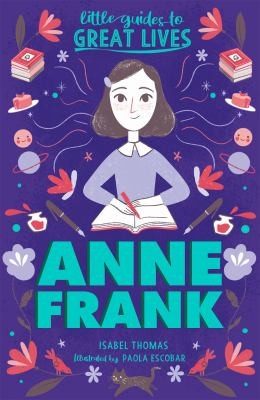
For the child who loves learning about amazing people, this series introduces inspiring historical figures who changed the world and sparks big dreams.
A parent should reach for this series when their child is starting to form big dreams or, conversely, feels discouraged by a challenge. This collection of bite-sized biographies introduces a diverse range of inspiring historical figures, from artists like Frida Kahlo to scientists like Marie Curie. The books focus not just on their famous achievements, but on their childhood curiosity, their struggles, and the incredible resilience they showed in the face of failure and adversity. For ages 8 to 12, this series is a perfect way to show children that greatness comes from perseverance and that anyone, no matter their background, can change the world.
The series deals directly with real-world historical challenges. Topics include racism and apartheid (Nelson Mandela), sexism in science and academia (Marie Curie), war and persecution (Anne Frank), and poverty or illness. These subjects are handled directly but with an age-appropriate, non-graphic tone. The focus is always on how the individual navigated or fought against these adversities. Resolutions are realistic, acknowledging hardships and loss, but the overall message is one of hope and the power of the human spirit.
Ideal Reader
The ideal reader is an 8 to 11 year old who is beginning to develop a strong interest in a specific field like science, art, or history. It's perfect for a child who prefers nonfiction and true stories, or one who is looking for role models that look and think like them. It also serves the child who is feeling frustrated with a difficult school subject or hobby and needs a dose of inspiration.
Parent Prep
While the books are very accessible, a parent might want to preview titles that cover particularly difficult history, such as those on Anne Frank or Nelson Mandela. This allows the parent to be prepared for questions about the Holocaust, apartheid, or imprisonment. Generally, the books can be read cold, but context helps for the heavier topics. A parent sees their child express a new passion ("I want to be an inventor!") or a moment of self-doubt ("I'm just not good at this, I'll never get it right."). The parent is looking for a way to nurture the passion or encourage resilience by providing real-world examples of people who succeeded despite major obstacles.
Age Experience
A younger reader (8-9) will likely focus on the fascinating facts, the person's childhood, and their biggest, most famous achievement. An older reader (10-12) will be better equipped to understand the social and historical context, the systemic barriers the person faced (like sexism or racism), and the subtler lessons about dedication and sacrifice.
What Makes It Special
Compared to the popular 'Who Was?' series, 'Little Guides to Great Lives' stands out with its modern, vibrant, and highly stylized illustrations that make history feel fresh and dynamic. The text is concise and punchy, making it less intimidating than a longer chapter book biography. The global and diverse selection of figures is also a key strength.
Read plot summary
This is a series of individual biographies, each following a consistent format. A book introduces a significant historical figure (e.g., Leonardo da Vinci, Marie Curie, Nelson Mandela, Amelia Earhart) and traces their life from childhood curiosity and early challenges through their major accomplishments and lasting legacy. The narrative focuses on key moments of discovery, struggle, and perseverance, presenting their life story in an accessible, chronological fashion with engaging illustrations and fact boxes.
This overview was generated by AI based on the book's content and reviews, and may not capture every nuance.
Discussion Prompts
1
Many of the people in this series had to try something over and over again before they succeeded. Pick one person and talk about a time they failed. How did their failure help them in the end?
2
If you could have a conversation with any of the people featured in these books, who would you choose and what one question would you ask them about their life?
3
The books show that big accomplishments often start with a small bit of curiosity in childhood. What are you curious about right now, and what could you do to explore it more?
4
Several people in the series, like Marie Curie or Frida Kahlo, faced challenges because of who they were. How did they use their unique identities and creativity to overcome those obstacles?