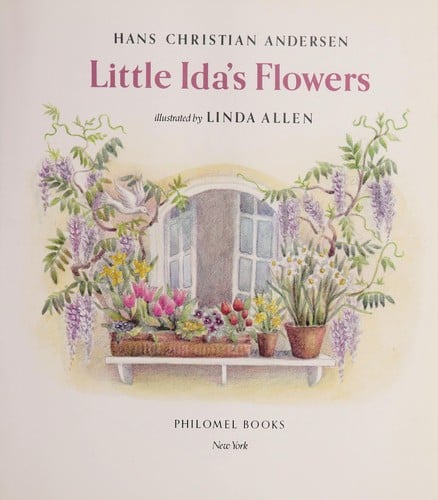
About This Book
Little Ida discovers the reason her flowers look so tired in the morning when they were so pretty the evening before.
Wonderlit Review
Little Ida's Flowers is a classic Hans Christian Andersen fairy tale that gently explores a child's curiosity about the natural world through a lens of pure imagination. The story centers on young Ida, who observes her flowers looking vibrant one evening and then wilted and tired the next morning. Her innocent question leads to a whimsical explanation: the flowers spend their nights dancing at grand balls, returning exhausted by dawn. The book handles the concept of fleeting beauty and the hidden lives of nature with a delicate, metaphorical touch. There are no heavy themes, only a sense of wonder and a comforting, imaginative answer to a simple observation. The emotional arc is gentle throughout, starting with a child's question and ending with a delightful, magical revelation. This book is specifically for children aged 4-8 who possess a strong sense of wonder and enjoy imaginative play. It's ideal for a parent who wants to encourage creativity, spark conversations about nature, or simply provide a soothing, enchanting bedtime story. A parent might reach for this when their child asks 'why' about something seemingly mundane, offering a magical alternative to a scientific explanation. No specific scenes need previewing; the story is universally gentle. Younger children (4-6) will enjoy the magical premise and beautiful imagery, while older children (7-8) might appreciate the lyrical language and the deeper imaginative possibilities. It stands out from other books about flowers by imbuing them with a secret, vibrant social life, rather than focusing on their botanical aspects, making it a unique blend of fantasy and everyday observation.
If Your Family Enjoyed This

Reviews
No reviews yet. Be the first to share how this book landed with your family.