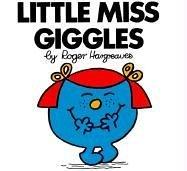
A parent might reach for this book when their child is having a “terrible, horrible, no good, very bad day” and needs help seeing that misfortune can sometimes lead to unexpected joy. The story follows the aptly named Little Miss Lucky, who experiences a string of calamitous events: a tree crushes her house, she gets lost in the woods, and a giant wave sweeps her out to sea. Just when things seem their worst, her bad luck leads to a wonderful, happy discovery. This book is a fantastic, lighthearted tool for introducing concepts of resilience and perspective to children ages 3 to 6. Through simple language and Roger Hargreaves' classic, charmingly minimalist illustrations, it shows that even scary situations can have a silver lining. It gently models that while we can’t always control what happens to us, sometimes the worst events can put us on a path to the best outcomes, fostering a sense of optimism and gratitude. It's a quick, funny, and reassuring read for any child feeling down on their luck.
There are no direct sensitive topics like death or divorce. The story uses exaggerated peril as a metaphor for overcoming adversity and having a bad day. The resolution is purely fantastical and hopeful, with no ambiguity.
Your experience helps other parents find the right book.
Sign in to write a reviewA 4 or 5-year-old who tends to feel overwhelmed by a series of small mishaps or a child who struggles with rigid expectations and gets upset when things don't go as planned. It’s perfect for the child who is starting to understand the concept of good and bad luck.
No specific preparation is needed. The book can be read cold. The peril is presented in a cartoonish, non-threatening manner typical of the Mr. Men series. A parent can simply enjoy the ride and be ready to talk about the surprise ending. The parent hears their child say, "This is the worst day ever!" after a minor setback like spilling a drink or tripping on the playground. The child is catastrophizing and needs a story to help them reframe a negative experience.
A 3-year-old will enjoy the simple, colorful illustrations and the slapstick nature of the events (a house getting squashed, a big wave). They will understand the basic emotional shift from sad to happy. A 6-year-old can appreciate the irony of Little Miss Lucky's name and grasp the more abstract theme that what seems like bad luck can actually be good luck in disguise.
Unlike many books on resilience that focus on a child's internal efforts and positive attitude (like Pete the Cat), this story externalizes the force as 'luck.' It humorously posits that sometimes, things are out of our control, yet can still resolve in a positive, almost magical way. This makes the concept of enduring misfortune less about personal effort and more about trusting that things can get better, which can be a comforting message for a very young child.
Little Miss Lucky's cottage is destroyed by a falling tree during a storm. While seeking help, she gets lost and is then swept out to sea by a rogue wave. She is rescued by a ship whose captain is searching for a mysterious, happy island. They accidentally find the island, which is owned by Mr. Happy. He generously gives Little Miss Lucky a new, beautiful home on his island, turning her terrible fortune into a wonderful new life.
This overview was generated by AI based on the book's content and reviews, and may not capture every nuance.