About This Book
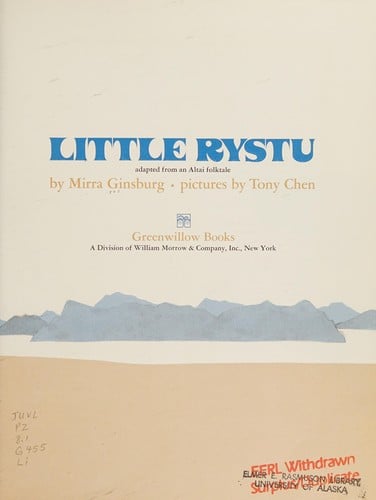
Retells an Altai tale about little Rystu who refuses to be enslaved by the selfish master of the land.
peril_danger
discrimination
Wonderlit Review
"Little Rystu" retells a traditional Altai tale, presenting a powerful narrative about a young boy's refusal to be enslaved by a selfish land master. The story directly addresses themes of freedom, justice, and the courage to stand up against oppression. While the concept of "enslavement" is present, it is handled metaphorically and gently, focusing on Rystu's defiance and journey to independence rather than explicit depictions of hardship. The emotional arc is one of initial challenge leading to a triumphant and hopeful resolution, emphasizing self-determination. This book is particularly suited for children aged 4-11 who are beginning to understand concepts of fairness and personal agency. It is an excellent choice for a parent looking to introduce discussions about standing up for oneself, the importance of freedom, and cultural folklore. Parents should be prepared to discuss the idea of being controlled by others and what it means to be free. Younger children (4-6) will appreciate the adventure and Rystu's bravery, while older children (7-11) can delve deeper into the ethical implications and cultural context of the tale. Its unique cultural origin and clear moral message set it apart from typical contemporary stories on similar themes.
If Your Family Enjoyed This
Reviews
No reviews yet. Be the first to share how this book landed with your family.