About This Book
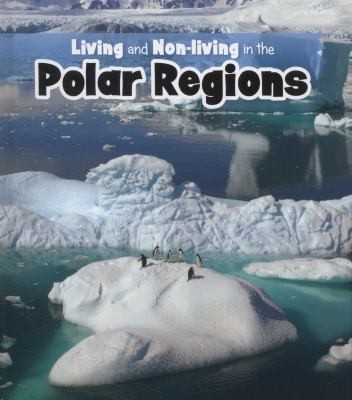
A parent might reach for this book when their child starts asking big questions about the world, like 'Is a rock alive?' This simple nonfiction book helps answer that by exploring the polar regions. It clearly defines the difference between living things, like polar bears and tiny mosses, and nonliving things, like icebergs and rocks. The book fosters curiosity and wonder about Earth's most extreme environments, making a fundamental science concept accessible and exciting. It's perfect for early elementary kids (6-9) who are ready for clear facts supported by amazing photographs.
What Parents Should Know
Sensitive Topics
The book is a straightforward science text. It touches on survival in a harsh environment but does not depict hunting, predation, or death. The approach is entirely secular and scientific.
Ideal Reader
A 6- to 8-year-old who is starting to ask big 'how does the world work?' questions. Perfect for a child fascinated by animals and extreme weather, who is ready for a first dive into basic biology concepts. Also excellent for a child who prefers clear facts and photos over narrative stories.
Parent Prep
No preparation is needed. The book is self-contained and very direct. The inclusion of a glossary and an index makes it easy for a parent and child to look up terms together. It can be read cold and used as a springboard for further questions. A parent hears their child asking, 'Is the sun alive?' or 'Is my stuffed animal alive?' The child is starting to sort the world into categories and needs clear, simple definitions and examples to help them.
Reviews
No reviews yet — be the first!
Your experience helps other parents find the right book.
Sign in to write a review


