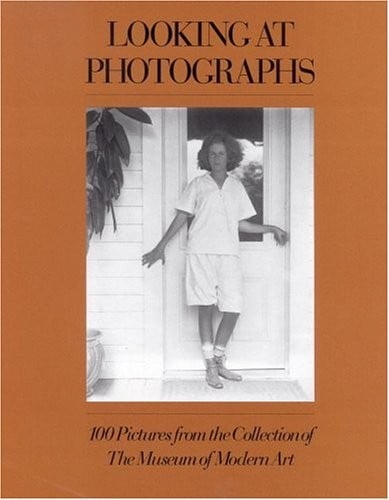
About This Book
Each picture is presented with a commentary defining its place in the technical and stylistic development of the camera arts since 1845
Wonderlit Review
This 1973 "chapter book" offers a surprisingly sophisticated yet accessible introduction to the history and appreciation of photography. John Szarkowski, a prominent figure in the world of photography, guides young readers through a curated selection of images, each accompanied by concise commentary. The book defines each picture's place in the technical and stylistic development of camera arts since 1845, making it a valuable resource for understanding visual history. The book handles its topic directly and informatively, focusing on the evolution of photographic techniques and artistic expression. There isn't a strong emotional arc in the traditional narrative sense; rather, the arc is one of discovery and increasing understanding of a visual medium. It starts with early photographic processes and progresses through different styles, encouraging a contemplative and analytical approach to viewing images. This book is specifically for children who show an early interest in art, history, or how things work. It's also excellent for parents or educators looking to introduce concepts of visual literacy and critical observation. A parent might reach for this when their child asks "How do cameras work?" or "What makes a picture art?" or when looking for a non-fiction book that encourages thoughtful engagement rather than just facts. For younger children (4-7), this book is best experienced as a read-aloud, with an adult guiding the discussion, pointing out details in the photographs, and simplifying some of the more technical language. Older children (8-11) can engage with the commentary more independently, using it as a springboard for their own research or creative projects. Parents should be prepared to discuss the historical context of the photographs and perhaps explain some of the older terminology. What makes it different from many contemporary children's books on art is its direct, almost academic, yet still engaging approach, offering a genuine look at the subject from an expert rather than a simplified overview. The focus on specific historical examples with detailed, albeit brief, analysis is also a distinguishing feature.
If Your Family Enjoyed This
Reviews
No reviews yet. Be the first to share how this book landed with your family.