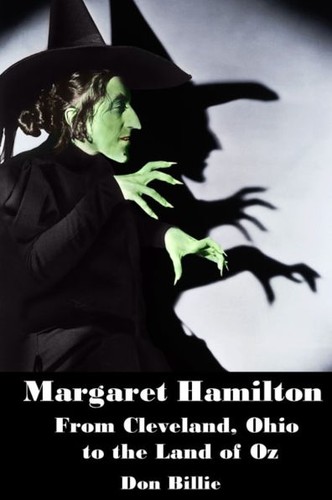
A parent might reach for this book when their child, fascinated by a classic movie villain, starts asking questions about the real person behind the costume. It's perfect for demystifying a scary character and sparking curiosity about how movies are made. This picture book biography tells the true story of Margaret Hamilton, the kind and determined actress who famously played the Wicked Witch of the West. It follows her from a childhood in Ohio, through her early career, to the challenges and triumphs of her most iconic role. The book highlights themes of perseverance, creative passion, and the difference between a person's identity and the characters they play. It's an inspiring read for children ages 8-12 who are interested in acting, history, or simply need to see that even famous people have to work hard to follow their dreams.
Your experience helps other parents find the right book.
Sign in to write a reviewDiscusses the creation and portrayal of a famously scary movie character.
The book deals directly with a significant physical injury. Margaret Hamilton was severely burned by a special effects flame jet during the filming of a scene. The book's approach is factual and historical, detailing the accident and her painful recovery. The resolution is hopeful, as she recovered and even returned to finish the film, demonstrating immense resilience. There are no religious elements. The book also touches on the identity theme of being misunderstood or feared by the public, particularly children, because of her scary role.
The ideal reader is a 9 or 10-year-old who has recently seen The Wizard of Oz and is captivated by the magic and the characters. This child is curious about what happens 'behind the scenes' and is ready to understand that villains are played by real people. It's also perfect for a child who has a unique creative passion and needs a role model for perseverance.
Parents should preview the pages describing the fire accident on set. The depiction of her burns and recovery could be intense for sensitive children. It would be beneficial for a parent to provide context, explaining that filmmaking safety standards were very different in the 1930s. No other significant prep is needed; the book's context is self-explanatory. A parent might seek this book after their child asks, "Was the Wicked Witch a real person?" or expresses fear of the character. Another trigger could be the child showing interest in acting or filmmaking, and the parent wants to provide a non-fiction story about that world. It's also a great response to a child feeling typecast or labeled by peers.
A younger reader (8-9) will likely focus on the fascinating transformation from a nice lady into a scary green witch and the 'behind the scenes' movie magic. An older reader (10-12) will better appreciate the nuanced themes: the challenges for women in that era, the concept of being typecast, and the sheer grit required to recover from a serious injury to complete her work. The older child will grasp the deeper message about identity versus public perception.
Unlike many biographies for this age that focus on presidents or scientists, this book centers on a beloved 'villain' from popular culture. It uniquely uses a child's fascination with a fantasy world to tell a true story of a resilient, creative woman. It's not just a biography, it's a media literacy tool that gently teaches children to separate the performer from the performance.
This is a nonfiction picture book biography of Margaret Hamilton, the American actress best known for her role as the Wicked Witch of the West in the 1939 film The Wizard of Oz. The narrative covers her childhood in Cleveland, her early aspirations and work as a teacher, her determined pursuit of an acting career as a character actress, and the casting process for the film. A significant portion of the book likely details her experience on set, including her creative process for developing the character's iconic voice and cackle, as well as the infamous on-set accident where she was severely burned. The story concludes by exploring her legacy and her gentle, real-life personality, which stood in stark contrast to her famous role.
This overview was generated by AI based on the book's content and reviews, and may not capture every nuance.