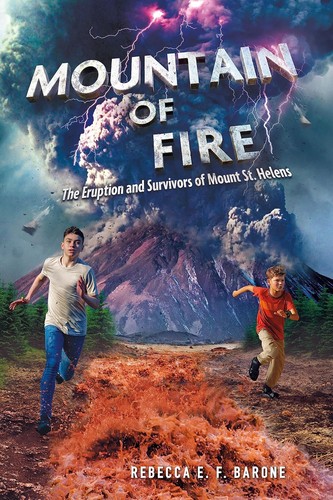
Reach for this book when your child is grappling with the unpredictable power of nature or shows a deep interest in how humans survive overwhelming odds. It is perfect for children who have outgrown basic picture books and are ready for a gripping, narrative-driven account of real-world events. Barone masterfully weaves together the scientific data of the 1980 Mount St. Helens eruption with the deeply personal stories of those who were on the mountain when it blew. While the book deals with a tragic historical event, it focuses heavily on themes of bravery, scientific curiosity, and the resilience of the human spirit. It offers a realistic look at natural disasters without being gratuitously dark, making it an excellent bridge for middle-grade readers transitioning into more complex narrative nonfiction. Parents will appreciate the way it validates fear while celebrating the expertise and courage of scientists and survivors.
Your experience helps other parents find the right book.
Sign in to write a reviewThe book mentions the 57 people who died, including specific individuals like David Johnston.
Descriptions of the sky turning black and the heat of the blast can be intense for sensitive kids.
Grief over lost colleagues and the destruction of the natural landscape.
The book deals directly with death and loss. Because it is a historical account of a real disaster, it handles these moments with a secular, journalistic, yet empathetic tone. The loss of life is treated with gravity and respect. The resolution is realistic: while nature recovers and some survive, the lives lost are not recovered, offering a lesson in the permanence of such events.
An 11-year-old who loves 'I Survived' books but is ready for more sophisticated vocabulary and a deeper dive into the actual science and human complexity of a real event.
Parents should be aware that there are descriptions of the blast's physical effects on the environment and mentions of people who did not make it out. It is best read with an adult nearby to discuss the rarity of such large-scale events. A parent might see their child becoming anxious about local weather or natural phenomena (like a small earthquake or a heavy storm) and want to provide a book that explains the science behind these events while showing how people help one another during crises.
Younger readers (age 8-9) will focus on the 'action' and the thrill of the survival stories. Older readers (11-12) will better appreciate the nuances of scientific uncertainty and the ethical dilemmas faced by officials during the evacuation orders.
Unlike many volcano books that focus solely on geology, Barone puts a human face on the data. It reads like a thriller but maintains the integrity of a high-quality STEM resource.
The book provides a chronological account of the 1980 eruption of Mount St. Helens. It begins with the initial seismic warnings and the scientific community's attempts to predict the blast. It then shifts into a high-stakes survival narrative, following several individuals (hikers, scientists, and residents) as the lateral blast forever changes the landscape. The back matter includes extensive scientific data and updates on the mountain's recovery.
This overview was generated by AI based on the book's content and reviews, and may not capture every nuance.