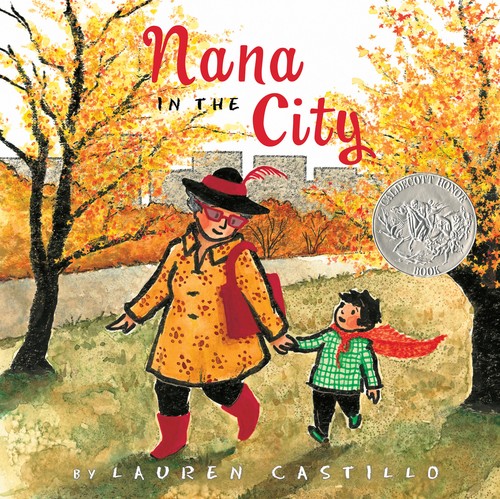
A parent might reach for this book when their child feels anxious or overwhelmed by new, loud, or busy environments. This gentle story follows a little boy who is visiting his grandmother in the city. At first, he finds it all too much: too loud, too crowded, and too scary. His wise and loving Nana listens to his fears and knits him a special red cape to make him feel brave. With this tangible symbol of courage and his Nana's gentle guidance, the boy's perspective transforms. He begins to see the city not as a place of fear, but as a place full of wonder, music, and friendly faces. It's a perfect read for ages 3 to 6 to open conversations about fear and show how love and a little imagination can help us find our inner strength.
The book deals directly with childhood fear and sensory overload. The approach is secular and practical, offering a tangible solution (the cape) that helps the child reframe his experience. The resolution is entirely hopeful and empowering, showing the child internalizing the courage his Nana helped him find.
Your experience helps other parents find the right book.
Sign in to write a reviewA 3 to 6-year-old who is temperamentally cautious, easily overwhelmed by new situations, or has specific anxieties about loud noises or crowds. It is an excellent preparatory book for a child about to visit a big city or start a new, busy experience like school or a large camp.
This book can be read cold. The initial pages depict the child's fears with darker colors and large, expressive text for sounds ("ROAR"). Parents can preview these pages to know what's coming, but the art style is soft and unlikely to be truly frightening for most children in the target age range. A parent has witnessed their child clinging to them at a party, covering their ears during a parade, or expressing fear about an upcoming trip. The child may have said, "It's too loud," or "I don't want to go."
Younger children (3-4) will connect with the concrete idea of a magic cape making you brave, seeing it as a comfort object. Older children (5-7) will grasp the more abstract concept of changing your perspective. They can more consciously analyze the before-and-after illustrations and understand that the boy's bravery came from within, not just from the cape itself.
Its primary differentiator is the tangible coping mechanism it models. The red cape is a brilliant physical tool that represents courage, something very effective for a pre-operational child. The story also beautifully centers the calm, validating presence of a grandparent as the key to unlocking a child's confidence, making it a standout story about intergenerational love.
A young boy visits his Nana in the city and is immediately overwhelmed by the sensory experience. He declares the city is "too busy, too loud, and too scary," citing roaring subways, strange shadows, and intimidating crowds. Sensing his fear, his Nana knits him a brilliant red cape to help him be brave. The next day, wearing his cape, the boy ventures out again. With his new perspective and confidence, the things that once seemed scary are reinterpreted as wonderful. The rumbling subway is now music, the scary figures are just people, and he discovers the city is full of life and excitement. He leaves the cape with Nana, realizing he is brave enough on his own.
This overview was generated by AI based on the book's content and reviews, and may not capture every nuance.
