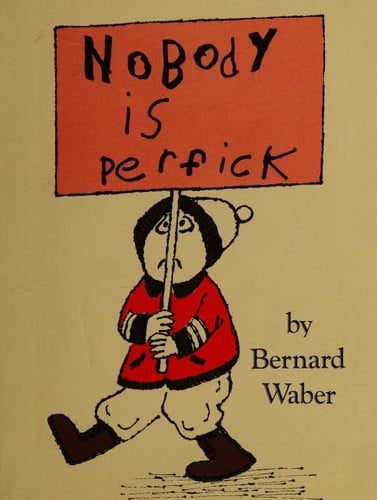
About This Book
Eight brief episodes show that even best friends and sunny days can have shortcomings.
Wonderlit Review
This book presents eight short, self-contained episodes, each illustrating a different facet of imperfection in everyday life. From friendships that aren't always smooth to days that don't go perfectly, the stories gently explore the idea that flaws are a natural part of existence. The characters, often children or anthropomorphic animals, navigate minor disappointments, misunderstandings, and personal quirks. The book handles the concept of imperfection and self-acceptance with a light, humorous touch. It's not about major failures or deep emotional struggles, but rather the small, relatable bumps in the road. The message is secular and universal, focusing on observation and gentle understanding rather than direct instruction. It normalizes the idea that things don't always have to be "perfick" to be good. The emotional arc is consistently gentle and reassuring. Each episode might start with a minor frustration or a perceived flaw, but it resolves with a sense of acceptance, humor, or a shift in perspective. The overall feeling is one of comfort and understanding, leaving the reader with an uplifting, hopeful outlook. This book is ideal for children who might be perfectionists, who get easily frustrated when things don't go as planned, or who are learning to navigate the complexities of friendship. It's also great for any child who needs a gentle reminder that it's okay not to be perfect, and that others aren't either. A parent might reach for this book when their child is struggling with a minor disappointment, comparing themselves negatively to others, or having a difficult day where nothing seems to go right. It's a wonderful book to share when a child needs reassurance about their own worth or the nature of relationships. No specific preparation is needed. The stories are light and accessible. Parents might want to be ready to discuss examples from their child's own life where things weren't "perfick" but still turned out fine, or to talk about how they themselves handle imperfections. Younger children (4-6) will enjoy the simple stories and the humor, grasping the basic concept of things not always being perfect. Older children (7-11) will appreciate the nuanced humor and the deeper message of self-acceptance and empathy, perhaps relating more to the social dynamics presented in some episodes. The episodic nature makes it digestible for various attention spans. Unlike some books that tackle specific "big feelings" or major life lessons, "Nobody is Perfick" offers a broader, more philosophical yet accessible take on the everyday reality of imperfection. Its episodic structure allows for varied examples, and Bernard Waber's distinctive, often whimsical style and humor make it memorable and comforting.
If Your Family Enjoyed This

Reviews
No reviews yet. Be the first to share how this book landed with your family.