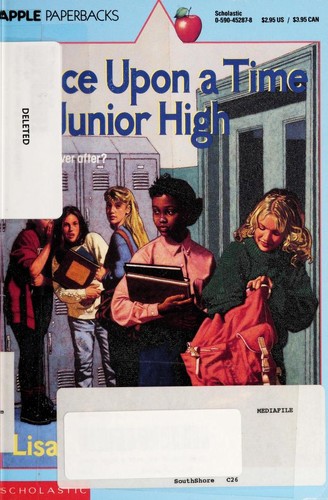
A parent might reach for this book when their child is navigating the shift to middle school and facing new, complicated social pressures, especially around friendships. Once upon a Time in Junior High follows best friends Amber and Shelby, who are excited for their new school until they realize that some classmates, and new social cliques, object to their interracial friendship. The story directly addresses themes of friendship loyalty, peer pressure, identity, and the pain of social exclusion. Appropriate for ages 11 to 14, this book provides a powerful, relatable story that can help normalize these difficult experiences and open up important conversations about prejudice, resilience, and what it means to be a true friend.
Your experience helps other parents find the right book.
Sign in to write a reviewThe book deals directly with racism and social discrimination. The approach is not metaphorical, focusing on the real-world impact of prejudice within a middle school setting. The conflict is presented through the lens of peer interactions and social exclusion. The resolution is hopeful and realistic: the friends reaffirm their bond and find allies, but the underlying prejudice in their school is not magically erased.
An 11 to 13-year-old who is either starting middle school or is currently experiencing social difficulties. It's particularly suited for a child who feels like an outsider, is being pressured by a clique, or is part of a friendship that others judge or don't understand.
Parents should be ready to have a direct conversation about racism and prejudice. The bullying is social and verbal. While the book can be read cold by a child, a parent might want to preview the scenes with exclusionary comments to be better prepared for questions. The 1994 publication date may also warrant a brief conversation about how some things have (or haven't) changed. A parent notices their child is suddenly distant from a long-time best friend, or the child comes home and says something like, "Kids at school say we shouldn't be friends anymore," or, "I have to choose which group to sit with at lunch."
A younger reader (11-12) will connect strongly with the core emotional story of a friendship being tested and the deep hurt of being excluded. An older reader (13-14) is more likely to grasp the subtler social dynamics of clique formation, identity, and the specific nature of the racial prejudice being depicted.
While many contemporary books tackle racism on a systemic level, this book's strength is its tight focus on how prejudice plays out within a single, intimate friendship. Its 1994 setting offers a slightly different, less digitally-saturated lens on middle school social dynamics, which can be a refreshing and focused perspective.
Two best friends, Amber (who is Black) and Shelby (who is white), are excited to start junior high together. Their optimism fades as they encounter social cliques and other students who openly disapprove of their interracial friendship. They face peer pressure, cruel comments, and social ostracism, which strains their bond and forces them to confront prejudice and decide what their friendship truly means to them.
This overview was generated by AI based on the book's content and reviews, and may not capture every nuance.