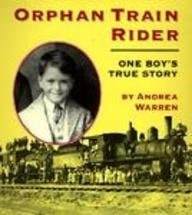
This book masterfully intertwines the factual history of the Orphan Train Movement (1854-1930) with the deeply personal narrative of Lee Nailling, who rode an orphan train to Texas in 1926. It explains the origins, logistics, criticisms, and lasting legacy of this significant American social welfare program, bringing it to life through one boy's experience. The book handles sensitive topics such as abandonment, poverty, the separation of siblings, and the sometimes harsh realities of placement (including children being used as labor or facing prejudice). It does so factually and empathetically, without being overly graphic, making it accessible for young readers. The dual narrative allows for a balanced view, acknowledging both the good intentions and the systemic flaws of the program.
The emotional arc is poignant and often bittersweet, reflecting the complex nature of the historical event. It starts with the difficult circumstances that led children to the trains, details the uncertainty and challenges of their journeys, but ultimately emphasizes resilience and the hope of finding a loving home, as exemplified by Lee's story. This book is ideal for children aged 7-11 who are interested in history, true stories, or those who may be experiencing feelings of displacement, new beginnings, or curiosity about their own family's past. It's particularly relevant for children in foster care or adopted, offering a historical context for family formation outside traditional structures.
A parent might reach for this when their child is studying American history, learning about social movements, or if the child expresses curiosity about adoption, foster care, or what life was like for children in the past. It's also a valuable resource for initiating conversations about empathy, resilience, and the meaning of family. Parents should be prepared to discuss the difficult aspects of the orphan train experience, such as children being separated from siblings, the reasons for abandonment, and the potential for harsh treatment in some placements. While not graphic, the themes of loss and uncertainty are present. The book provides an excellent springboard for discussions about historical context and social justice.
Younger children (4-6, read aloud) will likely connect most with Lee's personal journey, focusing on the adventure and the idea of finding a new family. Older children (7-11, independent reading) will be able to grasp the broader historical context, the social implications, and the criticisms of the movement, leading to deeper discussions about ethics and societal responsibility. Unlike purely fictional accounts, this book grounds the orphan train narrative in a true personal story and extensive historical detail, including photographs. The alternating chapter structure provides both an intimate emotional connection and a comprehensive educational overview, making it a robust resource for understanding this unique period in American history.