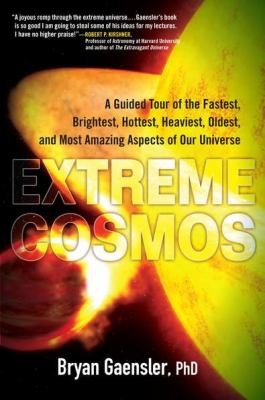
About This Book
Reach for this book when your child starts asking those big, existential questions about what lies beyond our planet or when they seem overwhelmed by the complexity of the night sky. It is designed to transform abstract scientific concepts into a visual journey that fosters a sense of awe and belonging in the universe. Rather than a dense textbook, this guide functions as an introductory tour of our solar system and the galaxies beyond, focusing on the sheer beauty of space. Parents will appreciate how it balances factual information with an emotional tone of gratitude and curiosity. It is perfect for children aged five to nine who are beginning to develop an interest in STEM but still need the wonder and magic of high-quality photography to keep them engaged. By the final page, your child will feel like an explorer who has just taken their first steps into a much larger world.
What Parents Should Know
Sensitive Topics
The book is entirely secular and scientific in its approach. There are no sensitive topics such as death or conflict. The focus is strictly on the physical beauty and scale of the natural world.
Ideal Reader
A 6-year-old who loves looking through a telescope or a 2nd grader who is starting a school unit on the solar system and needs a visual reference to make the facts feel real.
Parent Prep
This book can be read cold. Parents might want to have a stargazing app or a basic map of the solar system handy to extend the conversation after reading. A parent might choose this after their child says, 'Everything is so big, and I am so small,' or after a late-night stargazing session where the child asks, 'What is that bright light near the moon?'


Reviews
No reviews yet — be the first!
Your experience helps other parents find the right book.
Sign in to write a review


