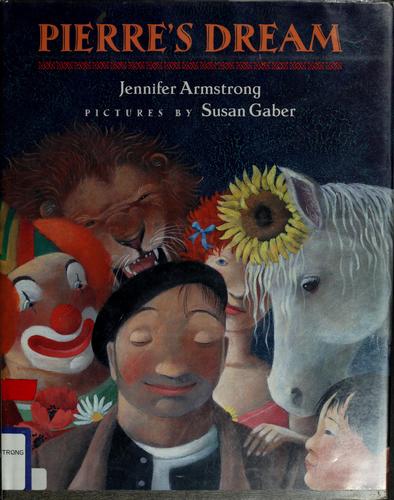
About This Book
Thinking he is dreaming, Pierre, a lazy, foolish man, shows no fear as he performs many amazing and dangerous circus acts.
peril_danger
Wonderlit Review
Pierre, a lazy and somewhat foolish man, finds himself in a circus. Unbeknownst to him, he begins performing incredibly dangerous and amazing acts, from tightrope walking to lion taming. His secret? He genuinely believes he is dreaming, which removes all fear and allows him to perform with astonishing skill and confidence. The "dangerous acts" are presented through the lens of Pierre's dream-like state, which mitigates any real sense of peril for the young reader. The focus is on the humor and the surprising outcome, not on actual danger or injury. It's a lighthearted take on risk. The story starts with Pierre's ordinary, lazy existence and moves into a whimsical, adventurous middle as he performs. It culminates in a triumphant, humorous, and subtly empowering ending as he realizes what he's capable of. The arc is gentle and uplifting throughout. This book is ideal for children aged 4-8 who enjoy humorous stories, tales of unexpected heroes, or those who might be a bit timid themselves. It's also great for kids who love the magic and excitement of the circus. A parent might pick up "Pierre's Dream" when their child needs a lighthearted story about courage, when they're exploring themes of dreams and imagination, or simply for a fun, engaging read-aloud that will elicit giggles. It's a good choice for a bedtime story that ends on a positive, amusing note. No specific preparation is needed. The "danger" is clearly framed as part of a dream, so it's unlikely to cause anxiety. Parents might want to discuss the difference between dreams and reality, or how sometimes we can be braver than we think. Younger children (4-6) will enjoy the slapstick humor of Pierre's accidental bravery and the colorful circus setting. Older children (7-11) might appreciate the irony of Pierre's situation and the underlying message about hidden potential and overcoming fear. Its unique premise of a character performing incredible feats *because* he thinks he's dreaming sets it apart. It's not about finding courage through struggle, but through a humorous misunderstanding, making it a very gentle and accessible way to explore bravery.
If Your Family Enjoyed This

Reviews
No reviews yet. Be the first to share how this book landed with your family.