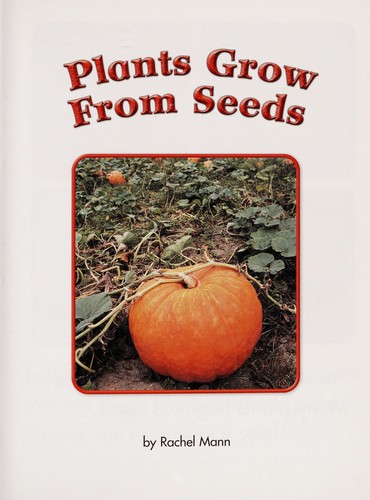
About This Book
A parent might reach for this book when their preschooler starts asking where flowers come from or shows a new fascination with the garden. "Plants Grow from Seeds" provides a clear, simple, and photographic answer to these early questions about the natural world. Using straightforward language and bright images, it walks a child through the basic life cycle of a plant, from a tiny seed in the soil to a blooming flower reaching for the sun. It perfectly suits the 3 to 6 year old age range, fostering curiosity and wonder without overwhelming them with information. This is an excellent choice for a first science book that can easily lead to a hands-on planting activity together, making a conceptual lesson tangible and fun.
What Parents Should Know
Sensitive Topics
None. This is a direct, secular, scientific book for a very young audience.
Ideal Reader
A curious 3 to 5 year old who has just started asking questions about where plants come from. This is for the child who stops on a walk to poke at a flower or who is fascinated by watching a parent garden. It is also excellent for a preschool classroom unit on spring or plants.
Parent Prep
No prep needed. The book is extremely direct and self-explanatory. The only preparation might be having a seed and a small pot ready for a hands-on activity after reading, as the book will almost certainly inspire one. The child points to a flower and asks, "How did that get there?" or "Where do seeds come from?" Or, a parent wants to start a simple gardening project with their child and needs a book to introduce the concepts.
Reviews
No reviews yet — be the first!
Your experience helps other parents find the right book.
Sign in to write a review


