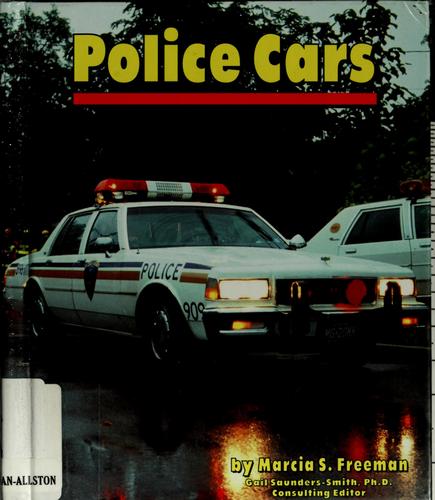
A parent might reach for this book when their vehicle-obsessed child wants to know more about the police cars they see on the road. It's also an excellent, gentle introduction to the role of police as community helpers. This simple nonfiction book uses clear photographs and easy-to-read text to explain the different parts of a police car, such as the lights, siren, and radio, and what police officers do to keep people safe. It fosters curiosity about technology and community roles, framing the police in a positive, helpful light. Ideal for preschoolers and early elementary children, it's a great starting point for conversations about safety and the people who help us.
The book deliberately avoids sensitive topics often associated with policing, such as crime, arrests, or violence. Any mention of trouble is abstract, for example, helping at an "accident" or an "emergency". The approach is secular and the resolution is always that help has arrived. It is a highly sanitized and reassuring introduction to the topic.
The ideal reader is a 4 to 6-year-old who is fascinated by emergency vehicles and asks questions whenever they see one. It's also a good choice for a child who might feel a little nervous hearing a loud siren, as it provides a reassuring context for the noise and lights.
Your experience helps other parents find the right book.
Sign in to write a reviewNo preparation is needed. The book is self-contained and can be read cold. The language and concepts are very basic. Parents should be prepared for follow-up questions about what constitutes an "emergency," but the book itself does not require any contextualizing. A parent's trigger moment is hearing their child ask, "What's that police car doing?" or "Why is it making that sound?" while out in the car or on a walk. The parent wants a simple, positive, and concrete answer to satisfy that curiosity.
A younger child (4-5) will focus on naming the parts of the car and mimicking the sounds. They'll grasp the core concept: "Police cars help." An older child (6-8) will absorb more of the functional details, like the purpose of the radio for communication or the computer for information. They may start to connect the car's function to the broader concepts of laws and community safety.
Compared to more modern nonfiction, this book's strength is its classic simplicity. It is a pure, descriptive "what-is-it" book. It doesn't use a narrative or characters to convey information. This direct, uncluttered approach makes it an excellent foundational text for the youngest readers who just want the basic facts without any complex social context.
This is a straightforward, informational book about police cars. Using simple text and full-page color photographs, it identifies the key features of a police car (lights, siren, radio, computer, cage) and explains their functions. The book connects this equipment to the job of a police officer, framing their work in terms of helping citizens, responding to emergencies, directing traffic, and keeping the community safe. The overall tone is positive and focused on the police as community helpers.
This overview was generated by AI based on the book's content and reviews, and may not capture every nuance.