PLOT SUMMARY:
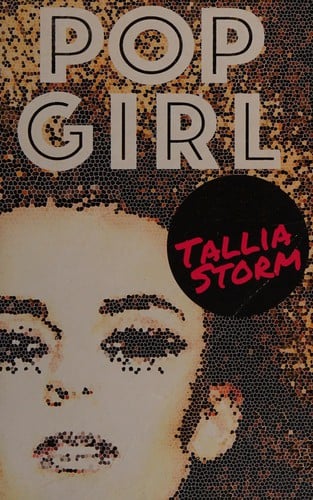
Fourteen-year-old Storm is a dedicated singer whose life is upended when she must miss a huge national competition for a family vacation in Hawaii. To her horror, her ambitious former best friend, Zilla, takes her spot. While in Hawaii, Storm gets a second chance when she spontaneously fills in as a singer for a local band. They record a song that hits the local radio, and it seems her dreams are back on track. However, she faces a second, devastating betrayal when the band introduces another girl as their singer on air, stealing her credit and her voice. The novel follows Storm as she navigates these crushing professional and personal setbacks.
SENSITIVE TOPICS:
The book deals directly with intense, realistic social and emotional challenges. Themes of friendship betrayal, jealousy, public humiliation, and social bullying (sabotage, exclusion) are central to the plot. The approach is secular and grounded in contemporary teen life. The resolution is not a simple fix but a more realistic one focused on Storm building internal resilience and self-worth. It ends on a hopeful note, but the emotional wounds are acknowledged as real.
EMOTIONAL ARC:
The emotional journey is a rollercoaster. It begins with a high level of frustration and plunges into despair with the first betrayal. A hopeful, exciting peak occurs in the middle of the book as Storm finds success with the new band, which makes the subsequent crash from the second betrayal feel even more precipitous and painful. The final act is a slow, determined climb toward resilience and self-discovery, ending on a note of cautious optimism.
IDEAL READER:
This is for a tween or young teen, aged 12-15, who is passionately dedicated to a goal (music, art, sports) and is beginning to navigate the tricky transition from friendly peer support to cutthroat competition. It will resonate strongly with a reader who feels wronged, overlooked, or that the world is fundamentally unfair.
PARENT TRIGGER:
A parent might seek this book after their child comes home heartbroken and angry, saying something like, “She stole my part!” or “It’s not fair, I worked harder than anyone!” It's for the moment a child’s passion leads to their first major social heartbreak or disillusionment.
PARENT PREP:
No specific content requires a trigger warning, but parents should be prepared for the raw depiction of teen jealousy and betrayal. The emotional lows are quite low. It's a good book to read cold, but it will likely spark conversations about how to handle disappointment, how to trust again after being hurt, and what true friendship looks like.
AGE EXPERIENCE:
A younger reader (12-13) will likely connect most with the injustice of Storm's situation and the black-and-white nature of the betrayals. An older reader (14-16) may appreciate the more nuanced themes of finding your own identity apart from external validation and the complexities of navigating relationships where ambitions clash.
DIFFERENTIATOR:
While many books cover chasing a dream, Pop Girl's unique strength is its focus on failure and betrayal as core parts of the journey. It's not a simple story of triumph. It models the emotional work required to recover from being knocked down multiple times, particularly by people you thought you could trust. The Hawaiian setting also provides a vibrant contrast to Storm's inner turmoil.