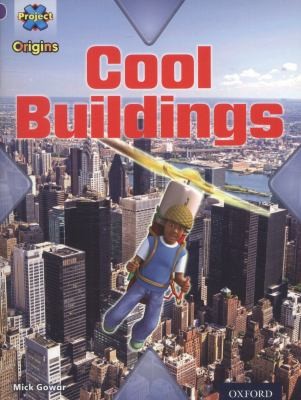
About This Book
A parent might reach for this book when their child's fascination with construction sites and block towers turns into a constant stream of questions about how real buildings work. 'Buildings' is a perfect first encyclopedia for young minds curious about architecture and engineering. It explores a wide variety of structures, from homes and schools to skyscrapers and historical landmarks, explaining their purpose in simple terms. By satisfying a child's natural curiosity, it builds a foundational vocabulary for STEM and social studies, making it an excellent choice for nurturing an inquisitive spirit in preschoolers and early elementary students.
What Parents Should Know
Sensitive Topics
None. This is a straightforward, secular, informational text.
Ideal Reader
A 4 to 7-year-old who is captivated by construction sites, building toys like LEGOs or Magna-Tiles, and big machines. This book is for the child in a persistent 'why' and 'how' phase, who points at every crane and wants to know what's being built.
Parent Prep
No preparation is needed. The concepts are presented clearly and simply, making it easy to read cold. A parent might want to have a phone or tablet nearby to look up more images of the famous landmarks mentioned if a child shows particular interest in one. The parent has just answered 'What's that building for?' or 'How did they build that so high?' for the tenth time today. The child has also just completed an elaborate block tower and is now ready to connect their play to the real world.


Reviews
No reviews yet — be the first!
Your experience helps other parents find the right book.
Sign in to write a review


