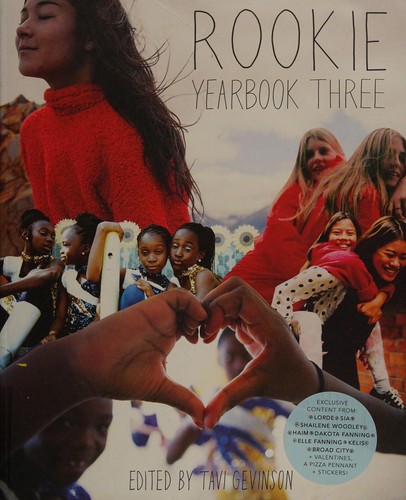
For young readers navigating the complexities of growing up, this book offers relatable stories and empowering insights into self-discovery and finding your unique path.
A parent might reach for this book when their child feels like they don't quite fit in or is navigating the emotional ups and downs of new school years and changing friendships. Based on the celebrated blog for teen girls, this yearbook-style collection is adapted for a younger audience, offering a vibrant mix of stories, comics, DIY projects, and interviews. It directly addresses the messy, wonderful, and sometimes lonely experience of finding your place. Through its scrapbook-like pages, the book explores themes of self-confidence, creativity, and the importance of authentic friendships. For kids aged 8 to 12, it acts as a friendly guide and a comforting reminder that they are not alone in their feelings. It's an excellent choice for fostering resilience and encouraging self-expression in a creative, accessible format that feels more like a conversation with a cool older sibling than a self-help guide.
Brief and innocent mentions of having crushes and the awkwardness that can accompany those feelings.
Sensitive Topics
The book directly addresses topics like loneliness, social anxiety, body image insecurities, and friendship conflicts. The approach is secular and peer-driven, offering solidarity rather than prescriptive solutions. The resolution is consistently hopeful and empowering, focusing on self-acceptance and finding your own community. It's realistic about the hurt that can occur in social situations but frames it as a survivable, normal part of growing up.
Ideal Reader
The ideal reader is a creative, thoughtful 9 to 12-year-old who might feel slightly out of sync with their peers. They enjoy making things, writing in journals, and are beginning to ask big questions about their identity. This book is perfect for the child who is starting to feel the pressures of middle school social life and needs to hear that it's okay to be different.
Parent Prep
No specific prep is needed; the book is designed to be explored independently. A parent might want to preview it to understand its zine-like, informal tone. The best way to engage is to be open to discussing the topics the child brings up after reading, perhaps even trying one of the DIY projects together. A parent might seek this book after hearing their child say, “No one understands me,” or “All my friends are changing and I feel left out.” It’s also for the child who is suddenly self-conscious or seems to have lost some of their creative spark.
Age Experience
A younger reader (8-9) will gravitate toward the fun illustrations, comics, and craft projects. They will understand the core friendship stories on a surface level. An older reader (10-12) will connect more deeply with the more introspective essays about identity, insecurity, and finding one’s voice. They will appreciate the book's validation of complex emotions.
What Makes It Special
Unlike a single-protagonist novel, this book’s scrapbook format and multitude of voices make it uniquely validating. It doesn't tell one story of fitting in; it presents a chorus of experiences, demonstrating there are infinite ways to be a girl. Its DIY, zine-culture aesthetic feels authentic and empowering, encouraging participation rather than passive reading.
Read plot summary
This is not a traditional narrative but a curated collection of essays, interviews, photo diaries, comics, and DIY tutorials, presented as a “yearbook” of collected wisdom. The content revolves around common pre-teen experiences: navigating school social structures, dealing with friend breakups, developing crushes, discovering personal style, and finding creative outlets. Each piece is a standalone entry from a different contributor, creating a collage of voices and perspectives on the central theme of self-discovery.
This overview was generated by AI based on the book's content and reviews, and may not capture every nuance.
Discussion Prompts
1
The book is filled with different voices and styles. Which person’s story or piece of art made you feel the most seen or understood? Why?
2
In the section about friendship, the book talks about how friendships can change. Have you ever experienced a friendship changing? What did that feel like, and how did you handle it?
3
If you were going to add a page to the next Rookie Yearbook, what would it be about? Would you write a story, draw a comic, create a how-to guide, or share a playlist?
4
One theme in the book is finding beauty in things that aren't perfect. Can you think of something in your life that is 'perfectly imperfect'?