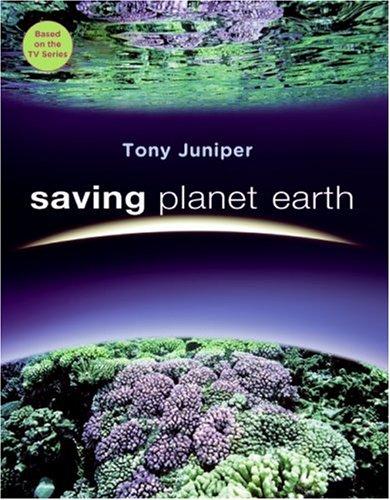
A parent might reach for this book when their child first expresses curiosity or concern about the environment, asking questions about litter or why we turn off lights. This book provides simple, empowering answers. It breaks down the large concept of 'saving the planet' into manageable, kid-friendly actions like recycling, conserving water, and planting trees. By focusing on positive contributions, it fosters a sense of agency and responsibility without causing anxiety. It's an excellent, gentle introduction for early elementary children to the idea that their small actions can make a big, positive impact on the world around them.
The underlying topic of environmental damage could be frightening for some children. However, the book's approach is gentle and entirely focused on solutions. It presents the problem in a direct but non-alarming way ('The Earth needs our help') and immediately pivots to empowering, positive actions. The tone is secular and the resolution is hopeful, framed as an ongoing, collective effort.
Your experience helps other parents find the right book.
Sign in to write a reviewThis book is perfect for a 6 or 7-year-old who is just beginning to notice the world beyond their home and school. They might be asking questions about where trash goes or why they see litter on the street. It’s for a child who is ready to feel a sense of responsibility and wants to know how they can help.
No preparation is needed to read this book; it can be read cold. However, parents should be prepared for their child to be enthusiastic about trying the suggestions. It would be helpful to be ready to implement a new recycling practice or be more mindful of turning off lights together as a family. A parent might seek this book after their child says something like, 'That person threw trash on the ground, that's sad for the Earth,' or 'Why do we have to turn off the lights?' It’s for the moment a parent wants to channel that nascent awareness into positive action without introducing eco-anxiety.
A 6-year-old will likely focus on the specific, concrete actions: 'I can put this bottle in the recycling bin.' They will see it as a set of rules to follow. An 8-year-old will begin to grasp the 'why' more deeply, connecting the action of turning off a light to the bigger concept of saving energy for the planet. They will understand it not just as a task, but as a contribution.
Compared to narrative-driven environmental books, this book's strength is its direct, non-fiction, early-reader format. It functions as a child's first 'how-to' manual for environmental stewardship. Its simplicity and focus on immediate, achievable actions make it less overwhelming and more empowering than books that tackle the larger, more complex facets of climate change.
This is a straightforward, non-fiction early reader that introduces young children to the basic concepts of environmental protection. The book explains why the Earth needs our help and then presents a series of simple, actionable steps that kids and their families can take. Topics covered include recycling, conserving water and electricity, and reducing waste. The text is simple and direct, supported by photographs of children engaged in these activities.
This overview was generated by AI based on the book's content and reviews, and may not capture every nuance.
