About This Book
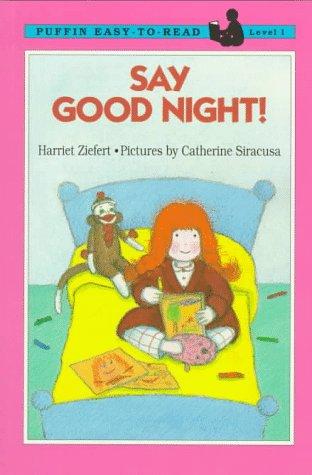
Reach for this book when the daily transitions of evening and morning have become a battle of wills. If your toddler or preschooler treats bedtime like a punishment and wake-up calls like a chore, this story offers a gentle shift in perspective. It validates the child's natural resistance while highlighting the warmth, comfort, and simple joys found in a good night's rest and a fresh start. The book follows a little girl through the relatable cycle of hating to go to sleep and then, predictably, hating to get up. Her parents provide a loving bridge between these states, reminding her of the cozy blankets at night and the bright possibilities of the morning. It is a perfect tool for modeling a positive attitude toward self-care and daily rhythms, helping children see that routines are not just rules, but opportunities for comfort and connection.
What Parents Should Know
Sensitive Topics
None. The book is entirely secular and grounded in a stable, nurturing domestic environment. The resolution is realistic and hopeful, showing that while feelings of resistance are normal, they can be overcome with a change in mindset.
Ideal Reader
A three-year-old who has recently discovered the power of the word 'No' regarding their schedule. It is for the child who needs a narrative 'social story' to help them process why we stop playing to sleep and why we stop sleeping to start the day.
Reviews
No reviews yet — be the first!
Your experience helps other parents find the right book.
Sign in to write a review


