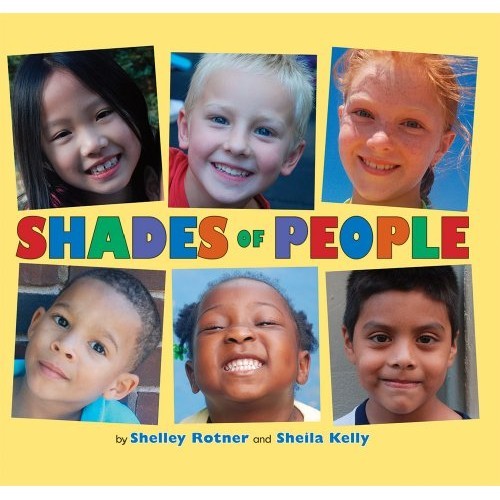
Reach for this book when your child begins to notice physical differences between themselves and their peers, or when they ask why someone's skin looks different from their own. Using vibrant, real-life photography, this book helps toddlers and preschoolers understand that skin tone is a beautiful, natural spectrum rather than a rigid set of categories. It uses relatable language like cocoa, creamy, and peachy to describe the human rainbow. This gentle concept book fosters self-confidence and curiosity by celebrating the skin we are in. It is an essential tool for parents who want to normalize diversity and promote a sense of belonging in a multicultural world. By focusing on active, joyful children, it frames our differences as something to be admired and explored with wonder rather than confusion.
The book approaches the topic of race and identity from a secular, direct, and celebratory perspective. It does not address systemic racism or history; instead, it focuses on the biological and aesthetic reality of skin color. The tone is consistently hopeful and inclusive.
Your experience helps other parents find the right book.
Sign in to write a reviewA preschooler who is starting to point out physical differences in people at the grocery store or playground. It is perfect for a child who is curious about the world and needs simple, positive language to describe what they see.
This book can be read cold. It is designed to be an open-ended conversation starter. Parents should be prepared to discuss that even within families, skin tones can vary. A parent might reach for this after their child makes a blunt or potentially embarrassing observation about someone's skin color in public, or if the child expresses a desire to have skin like someone else.
For a 2-year-old, this is a book about colors and faces (visual stimulation). For a 5-year-old, it becomes a social studies lesson about identity, heritage, and how we are all part of the same human family despite looking different.
Unlike many books on this topic that use illustrations, this book uses crisp, documentary-style photography. This makes the concept concrete and real for young children who are literal thinkers.
This is a concept-driven nonfiction book that uses high-quality photography to showcase children with a wide array of skin tones. The text is minimal and poetic, comparing skin shades to various foods and objects in nature, while the images show children in everyday settings like school, the park, and home.
This overview was generated by AI based on the book's content and reviews, and may not capture every nuance.