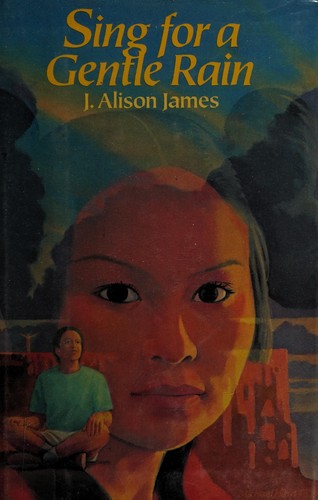
For the curious child who is drawn to ancient mysteries and the idea of making a difference across time, this book beautifully blends historical wonder with a heartfelt quest.
A parent might reach for this book when their thoughtful, curious child is fascinated by ancient history and the mystery of lost civilizations. "Sing for a Gentle Rain" is a beautifully written story about James, a modern boy whose vivid dreams lead him on a spiritual journey 700 years into the past. There, he meets Spring Rain, a girl whose Ancestral Puebloan community is on the brink of collapse from a devastating drought. This book sensitively explores themes of empathy, bravery, and our connection to the past. Perfect for readers aged 9-12, it's a quiet, profound adventure that encourages reflection on history, spirituality, and one's ability to make a difference.
The book uses the term "Anasazi," which is considered outdated by many Pueblo people.
Sensitive Topics
The book deals directly with the threat of mass death from starvation and thirst. The desperation of the community is a central theme. The spirituality is rooted in interpretations of Ancestral Puebloan beliefs and is presented as an integral part of their worldview, not as a separate religious system. The resolution is bittersweet and historically realistic: it offers hope on a personal level but also acknowledges the historical truth that these cliff dwellings were ultimately abandoned.
Ideal Reader
A thoughtful, introspective 10 to 12-year-old who is fascinated by archaeology, the American Southwest, or Indigenous history. They enjoy lyrical prose and stories with a touch of magic that take on serious subjects. This reader appreciates books that are more atmospheric and emotional than action-packed, and they are ready for a story with a complex, bittersweet ending.
Parent Prep
A parent might want to pre-emptively discuss the term "Anasazi," which is used in the book. It is a Navajo word sometimes translated as "ancient enemies," and many modern Pueblo people prefer the term "Ancestral Puebloans." Providing this context can enrich the reading experience. The themes of starvation and cultural loss are pervasive but handled sensitively; no specific scenes require previewing, but parents should be ready for conversations about these topics. The parent has noticed their child asking big questions after a visit to a museum or a national park like Mesa Verde. The child might be wondering, "Where did the people go?" or expressing curiosity about dreams and their meanings.
Age Experience
A younger reader (9-10) will likely focus on the time-travel adventure, the friendship between James and Spring Rain, and the quest to find water. An older reader (11-12) will better appreciate the historical context, the spiritual depth, the lyrical writing style, and the profound, bittersweet implications of the ending.
What Makes It Special
Unlike many time-travel novels that are fast-paced and plot-driven, this book is atmospheric, spiritual, and character-focused. Its unique quality is its deep, respectful immersion in the world of the Ancestral Puebloans and the emotional gravity of their struggle, making it feel less like a fantasy and more like a sacred history.
Read plot summary
James, a contemporary boy, is troubled by a recurring dream of an Indigenous girl. His interest, encouraged by his archaeologist uncle, leads him to a dig site in the American Southwest. There, he is transported 700 years into the past, to an Ancestral Puebloan (Anasazi) cliff village. He meets Spring Rain, the girl from his dreams, whose people are suffering from a catastrophic drought. Believing James is a figure from a prophecy, she enlists his help on a spiritual quest to find water and sing for the rain that will save her community.
This overview was generated by AI based on the book's content and reviews, and may not capture every nuance.
Discussion Prompts
1
Spring Rain believes James is a 'katsina' from her people's prophecy. Do you think he was truly magical, or was their connection and success based on something else, like courage and friendship?
2
The drought is a constant threat in the book. How does the author use descriptions of the land, the sky, and the people's actions to make you feel their desperation for water?
3
At the end, James returns to his own time, and the fate of Spring Rain's people is left somewhat uncertain. Why do you think the author chose this bittersweet ending instead of a simple 'happily ever after'?
4
James's dreams are the bridge between his world and Spring Rain's. Have you ever had a dream that felt important? Why do you think stories so often use dreams to connect characters to magic or the past?