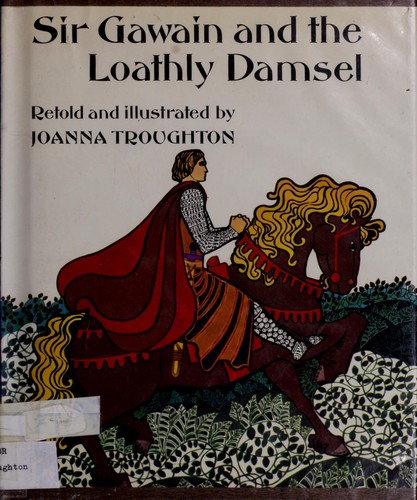
A parent might reach for this book when their child is struggling with judging others by their appearance, or is feeling insecure about their own. This classic Arthurian legend tells of how King Arthur's life is saved when a noble knight, Sir Gawain, agrees to a difficult bargain. He must marry a hideously ugly damsel in exchange for the answer to a life or death riddle. The story beautifully explores themes of integrity, keeping one's word, and the meaning of true beauty. For ages 7 to 10, it's a wonderful way to open a conversation about looking past outward appearances to see the character and kindness within a person.
Your experience helps other parents find the right book.
Sign in to write a reviewThe core concept revolves around being "loathly" or "ugly," which could be sensitive for a child with appearance-based anxieties. The story treats this as a magical affliction with a hopeful resolution, focusing on inner character as the antidote. It is a metaphorical, not a direct, discussion of physical differences. The threat of death to King Arthur is mild and stylized.
An 8- or 9-year-old who loves myths and legends and is ready to think about complex moral questions. It's perfect for a child who is beginning to notice social judgments based on looks, or who needs a story that champions the power of character over appearance.
Preview the illustrations of the damsel, which are designed to be unsettling. A parent might need to explain that the word "loathly" means hateful or disgusting, and discuss why people in the story react so strongly to her. A parent hears their child say something like, "I don't want to play with them, they look weird," or expressing a new self consciousness about their own looks.
Younger readers (7-8) will enjoy the classic fairy tale quest and the magic transformation. Older readers (9-10) can grasp the more abstract concepts of honor, sovereignty, and the psychological importance of Gawain's choice.
Unlike stories that reward a hero for finding a beautiful princess, this tale rewards a hero for honoring an "ugly" one. The resolution hinges not on a kiss or a battle, but on an act of respect and granting autonomy, a remarkably modern and empowering message within a classic framework.
King Arthur's life is forfeit to a Black Knight unless he can solve the riddle: "What do women most desire?" The answer is provided by a grotesque "loathly damsel" whose price is marriage to a knight of Camelot. Sir Gawain nobly volunteers. On their wedding night, his kindness and his choice to grant her sovereignty (the answer to the riddle) breaks the curse, transforming her back into a beautiful lady.
This overview was generated by AI based on the book's content and reviews, and may not capture every nuance.
