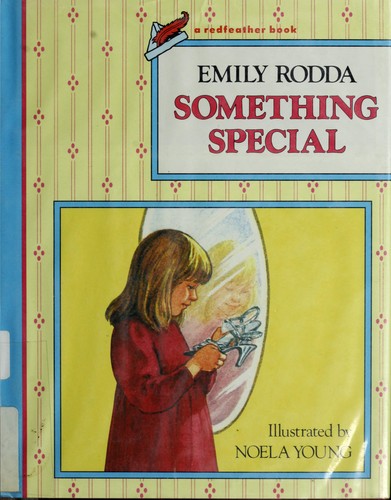
A parent might reach for this book to nurture a child's budding imagination and sense of empathy. It’s perfect for the child who sees stories in everyday objects and wonders about the world beyond their own experience. The story follows a young girl named Sam who helps her mother sort through bags of secondhand clothing for a school fair. As she touches each item, from a fancy party dress to a little sailor suit, she imagines the life of the child who wore it before. This gentle, thoughtful chapter book beautifully illustrates themes of wonder, creativity, and the connections we share with people from the past. It’s a quiet, reassuring read for early independent readers, ideal for sparking conversations about the value of pre-loved items and the stories all around us.
The book is very gentle and contains no significant sensitive topics. The imagined stories about past owners can have a slightly wistful or nostalgic quality, a soft melancholy for moments gone by, but this is presented as beautiful rather than sad. The approach is secular and focuses on human connection and imagination. The resolution is entirely hopeful and affirming.
Your experience helps other parents find the right book.
Sign in to write a reviewThe ideal reader is an imaginative, perhaps introverted, child aged 6 to 8. This book is for the child who creates elaborate backstories for their toys, who treasures found objects, or who asks questions like, "Who lived here before us?" It's also an excellent choice for a child who might be hesitant about secondhand items, as it reframes them as treasures with rich histories.
No preparation is needed. This book can be read cold. The concepts of school fairs and secondhand clothes are easily understood and the narrative is simple and direct. It's a perfect book to pick up and read together at any time. A parent has noticed their child's deep curiosity about the past, perhaps after a visit to a museum, looking at old family photos, or receiving a hand-me-down. The child asks, "Who owned this before me?" and the parent wants a book that honors and expands upon that empathetic curiosity.
A 6-year-old will likely be captivated by the individual make-believe stories: the party, the boat, the stage. The magic is in the vignettes. An 8-year-old will begin to grasp the more abstract, overarching theme of empathy, the idea that objects can be vessels for memory, and the connection between past and present. They may be inspired to think more deeply about the history of their own belongings.
Unlike many books about imagination that feature fantastical creatures or worlds, this story grounds its magic in reality and human empathy. The power comes not from an external magical source, but from the protagonist's own ability to wonder about the lives of others. Its quiet, episodic structure and focus on the 'secret lives' of everyday objects make it a uniquely gentle and profound introduction to historical thinking for young children.
Sam is helping her mother sort through donated clothes for the school fair. She comes across a bag labeled "Something Special" and is captivated by the items inside. As she examines a party dress, a sailor suit, and a spangled top, she vividly imagines the lives of the children who previously owned them: a girl at a grand birthday party, a boy on a seaside holiday, and a young performer in a play. The book is a series of these imaginative vignettes, culminating in Sam's realization that the stories and memories are what make the clothes truly special.
This overview was generated by AI based on the book's content and reviews, and may not capture every nuance.
