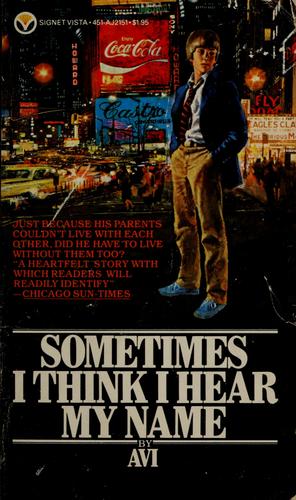
A parent might reach for this book when their middle-grade child is feeling disconnected from a distant parent and beginning to question the complexities of their family life. It's for the child who senses things are not as they seem. The story follows thirteen-year-old Conrad, who travels alone to New York City to find his separated parents and get answers about their lives. What he uncovers is a quiet mystery about parental fallibility, loneliness, and his own identity. This introspective novel is a good choice for mature readers ready to explore the idea that families can be imperfect and that self-reliance is a key part of growing up.
A 13-year-old navigates New York City alone, which involves some inherent but undramatized risk.
Sensitive Topics
The book's core themes are parental separation, divorce, and emotional neglect. The approach is direct, secular, and deeply realistic. The resolution is not a happy family reunion; it is an ambiguous but hopeful acceptance of a difficult reality. Conrad does not 'fix' his parents, but he does find his own footing and a more mature understanding of the world. The resolution is realistic, highlighting Conrad's newfound resilience over any external change in his circumstances.
Ideal Reader
This book is for a thoughtful, introspective child aged 11 to 14 who is beginning to see their parents as complex, flawed individuals. It is particularly suited for a child navigating the long-term aftermath of a divorce, especially one involving emotionally or physically distant parents. It's for the reader who appreciates character-driven stories over fast-paced plots.
Parent Prep
No specific pages require a trigger warning, but parents should be prepared for the book's melancholy tone and its unsentimental portrayal of neglectful parents. The adults are deeply self-involved. Parents should read it first to be ready for conversations about parental fallibility, disappointment, and the different forms a family can take. The book can be read cold, but a follow-up conversation is highly recommended. A parent might notice their child seems withdrawn or is asking pointed questions about a non-custodial parent. The child might say something like, "I feel like I don't really know Mom/Dad," or express a generalized feeling of not quite belonging. This book is for the moment a child starts grappling with the idea that their parents have lives, and perhaps failings, separate from them.
Age Experience
A younger reader (10-11) might focus on the adventure of Conrad being alone in New York City and the mystery of what his parents are up to. An older reader (12-14) will connect more profoundly with the emotional weight of Conrad's disillusionment. They will better grasp the nuances of his parents' selfishness and appreciate the maturity Conrad gains through his difficult week.
What Makes It Special
Unlike many books about divorce that focus on the initial event, this one explores the quiet, long-term emotional consequences. Its power lies in its realistic, somber tone and its focus on a child's internal journey of discovery. It doesn't offer easy answers or a tidy resolution, making it a uniquely honest and mature exploration of a common childhood challenge.
Read plot summary
Thirteen-year-old Conrad lives with his aunt and uncle in St. Louis, feeling distant from his separated parents who both live in New York City. Driven by a need for answers, he takes a bus to NYC to find them. There, he befriends a girl named Verna and begins to investigate his parents' lives, only to discover they are living separate, self-absorbed existences and are not the people he imagined. The story is an internal mystery, focused on Conrad's emotional discovery of the truth about his family and himself.
This overview was generated by AI based on the book's content and reviews, and may not capture every nuance.
Discussion Prompts
1
The title is 'Sometimes I Think I Hear'. What do you think Conrad is trying to hear throughout the book? Does what he actually hears by the end match what he was listening for?
2
Conrad's parents are not presented as 'bad' people, but they are very self-absorbed. Do you feel sympathy for them? Why or why not? How did your feelings about them change?
3
Verna becomes a very important friend to Conrad. In what ways does her friendship provide something his own family does not during his week in New York?
4
At the end of the book, Conrad's family situation has not really changed, but Conrad himself has. What do you think is the biggest change in him from the beginning to the end?