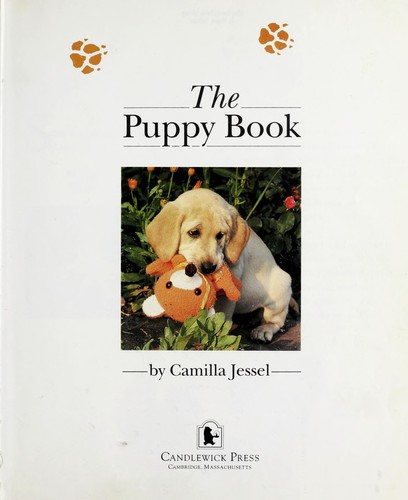
A parent might reach for this book when their curious child starts asking specific questions about different dog breeds, especially after seeing one in action at a park or on TV. It's a perfect fit for a young animal lover who is ready to move beyond picture books and wants to learn the 'why' behind a dog's behavior and history. This nonfiction book explores the world of spaniels, detailing their history as hunting dogs, the specifics of their training, and how to care for them. It gently explores themes of loyalty, partnership, and the unique bond between humans and working animals. Ideal for early elementary readers, it builds vocabulary and research skills in a high-interest topic.
The central sensitive topic is hunting. The book presents hunting factually, as the primary purpose for which spaniels were bred. It includes photographs of hunters with firearms and dogs retrieving downed birds. The approach is secular and entirely matter-of-fact, focusing on the dog's skill and role. There is no graphic detail, but the concept of killing animals for sport or food is inherent to the subject matter.
Your experience helps other parents find the right book.
Sign in to write a reviewThis book is for a 7 to 10-year-old animal fact-finder. This child likely has a strong interest in dogs, enjoys learning the specifics of different breeds, and may be starting to do their own simple research projects. They are not overly sensitive to the concept of hunting and are more interested in the 'how' and 'why' of this working animal's life.
A parent should preview the pages depicting hunters with guns and dogs holding birds in their mouths. This is a good opportunity to have a conversation about hunting, its role in conservation or as a food source, and the family's own values on the topic. The book can be read cold, but this context may be helpful for some children. A parent sees their child showing intense curiosity about a specific dog breed they saw. The child might be asking questions like, 'What is that dog's job?' or 'Why do some dogs work with people?' The parent is looking for a book that provides real, detailed answers beyond a simple picture book.
A younger reader (age 7-8) will likely be captivated by the photos and the 'cool facts' about the dogs' skills and long ears. An older reader (age 9-10) will be better able to appreciate the historical timeline, the nuances between different spaniel breeds, and the specific training vocabulary used.
Unlike many general dog encyclopedias that give a brief paragraph on each breed, this book takes a deep dive into a specific *type* of dog and its function. By focusing on the spaniel's role as a 'hunting companion,' it offers a unique and focused look at the history, genetics, and training that create a specialized working animal, highlighting the human-animal bond through the lens of partnership and purpose.
This nonfiction chapter book provides a comprehensive overview of spaniel dog breeds. It covers their historical origins in Spain, their specific development as hunting companions, and the key skills they use, such as 'flushing' game birds from cover and 'retrieving' them. The text distinguishes between different types of spaniels (e.g., Cocker, Springer, Boykin) and details their temperament, physical characteristics, and basic care and training needs. The book is structured with clear headings, a glossary, and is supported by numerous photographs of spaniels in both home and field settings.
This overview was generated by AI based on the book's content and reviews, and may not capture every nuance.