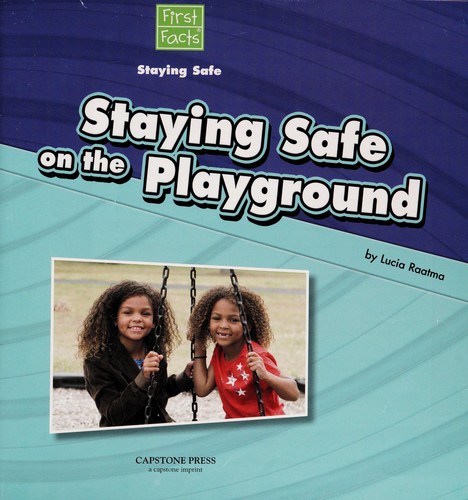
A parent should reach for this book when their child is beginning to navigate the school playground or local park with more independence. This straightforward, photo-illustrated guide serves as a practical manual for playground safety. It clearly and simply explains essential rules, from checking if equipment is too hot or wet to using swings and slides correctly. The book builds a child's confidence and sense of responsibility by empowering them with the knowledge to make safe choices, turning potential fear into preparedness. It's an excellent, non-alarming tool for 6-to-8-year-olds to learn how to keep fun and safety in balance during playtime.
The book's core subject is avoiding injury and a brief mention of stranger danger. The approach is direct, practical, and preventative. It focuses on empowerment through knowledge rather than inducing fear. The tone is secular and instructional, with the resolution being that following rules leads to safer, more confident fun for everyone.
Your experience helps other parents find the right book.
Sign in to write a reviewThe ideal reader is a 6 or 7-year-old starting at a new school, or one who is just beginning to have more unsupervised play at a local park. It's perfect for both the cautious child who needs a clear set of rules to feel confident, and the more impulsive child who benefits from explicit, visual reminders of boundaries.
This book can be read cold. It is very straightforward. A parent might want to preview the final pages about trusted adults and strangers to ensure the language aligns with their own family safety plan. It works best as a conversation starter, followed by a trip to the playground to practice the skills. A parent has just seen their child attempt a risky playground maneuver, like climbing up the slide or standing on the swings. Or, a child comes home expressing anxiety about the 'big kids' at school recess. This book is also a proactive choice for a parent preparing their child for the independence of a new school year.
A younger reader (age 6) will latch onto the concrete, literal rules: 'Don't run in front of the swings.' They see it as a simple list of dos and don'ts. An older reader (age 8) can better understand the reasoning behind the rules, grasping concepts like spatial awareness and their responsibility to help keep younger children safe.
Unlike many narrative books about safety, this book's strength is its direct, manual-like format. The use of crisp, high-quality photographs of real children makes the situations relatable and clear. It avoids allegories or cartoon characters, presenting safety as a real-world skill, much like learning to cross the street.
This is a nonfiction, instructional book designed to teach young elementary-aged children the basic rules of playground safety. Through clear, simple text and full-color photographs of diverse children, it covers key topics such as: checking equipment before use (for heat, wetness, or damage), waiting your turn, using equipment as intended (e.g., sitting on swings, going down slides feet-first), being aware of others, and knowing which trusted adults to go to for help. It also briefly touches on what to do if a stranger approaches.
This overview was generated by AI based on the book's content and reviews, and may not capture every nuance.