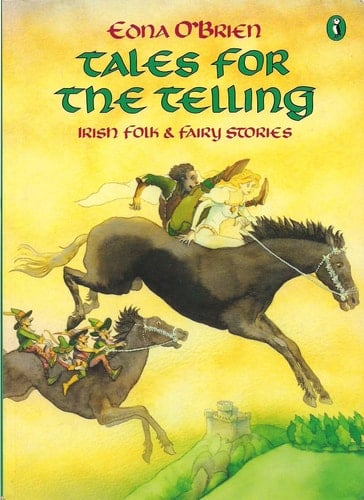
Tales for the Telling Irish Folk and Fairy Stories by Edna O'Brien, despite a conflicting publisher description, is clearly positioned by its title as a collection of traditional Irish folklore. The provided description, detailing children befriending a stationmaster, appears to be erroneous and likely belongs to a different book. Therefore, this analysis proceeds with the strong assumption that the book delivers on its title: a compilation of enchanting Irish tales.
The book likely features a variety of stories, from heroic quests and encounters with magical beings to cautionary fables and tales of wit. Edna O'Brien's retelling would aim to make these ancient narratives accessible and engaging for a modern child audience. The emotional arc would typically involve characters facing challenges, often with elements of peril or injustice, leading to resolutions that emphasize bravery, cleverness, or the triumph of good.
This book is specifically for children aged 4-11 who are ready to explore the rich world of folklore and cultural storytelling. For younger children (4-7), it serves as an excellent read-aloud, introducing them to narrative structures, diverse characters, and the concept of good versus evil in a gentle way. Older children (8-11) can enjoy reading these stories independently, appreciating the nuances of the tales and their cultural significance. A parent might reach for this book when their child shows an interest in myths, legends, or stories from different cultures, or when seeking tales that subtly impart moral lessons without being overtly didactic.
Parents should be prepared for typical fairy tale elements, which can include mild peril, encounters with fantastical creatures that might be perceived as scary, or situations where characters face difficult choices. These elements are generally handled in a way that is age-appropriate for the target audience. What makes this collection stand out is its specific focus on Irish heritage, offering a window into a distinct cultural storytelling tradition that might be less familiar than more common European fairy tales. It provides a valuable opportunity to discuss cultural identity, the origins of stories, and the enduring power of imagination.