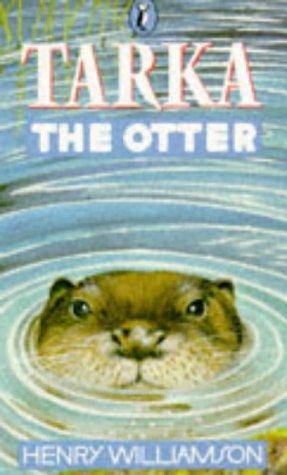
Henry Williamson's 'Tarka the Otter' is a foundational work of nature writing, offering an immersive and unsentimental look into the life of a wild otter. The narrative follows Tarka from his birth as a cub, through his journey of learning to survive, finding mates, and navigating the perilous landscape of North Devon. A significant portion of the story details his encounters with the local otter hunt, culminating in a dramatic final chase. Williamson's prose is often described as poetic, rich with detailed observations of the natural world, and he deliberately avoids anthropomorphizing Tarka, presenting animal life with a stark realism that includes both its beauty and its brutality.
The book handles sensitive topics, particularly death and the cycle of predator and prey, with directness rather than metaphor. Tarka's death is not just implied but central to the narrative, making it a powerful, albeit potentially challenging, read for young audiences. The emotional arc is bittersweet, celebrating the 'joyful water-life' while acknowledging the inevitable 'death.' It starts with the innocence of a cub's early life but gradually introduces increasing peril and loss, leading to a poignant conclusion.
This book is specifically for children who are ready for a realistic, non-sugarcoated portrayal of nature, those interested in wildlife, and readers who appreciate descriptive, literary prose. It's an excellent choice for a child who is curious about the natural world and can handle themes of survival, loss, and the food chain. A parent might reach for this book when their child is asking deeper questions about where animals live, what they eat, or what happens when animals die. It's also ideal for introducing classic literature that fosters empathy for wildlife and an understanding of ecosystems.
Parents should be prepared to discuss the hunting scenes and the concept of death in nature. While not gratuitous, the descriptions of the hunt and Tarka's struggles are vivid. For younger children (4-7), it would be best as a read-aloud, allowing parents to pause and discuss difficult moments. Older children (8-11) can read it independently, but discussion is still highly recommended to process the themes. What sets 'Tarka the Otter' apart from many contemporary animal stories is its unwavering commitment to realism and its literary quality, making it a more profound and enduring experience than many anthropomorphic tales.