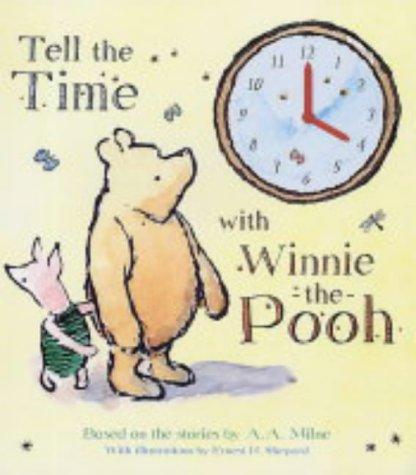
About This Book
This delightful concept book features the beloved characters of Winnie-the-Pooh and his friends as they explore the concept of telling time. Designed for young children, it uses familiar faces and a gentle narrative to introduce hours, minutes, and the rhythm of the day. Parents will appreciate its comforting tone and how it makes a potentially abstract concept accessible and fun, perfect for read-alouds or early independent reading.
Wonderlit Review
This 9-page "chapter book" (likely a very short, heavily illustrated concept book) leverages the enduring charm of A.A. Milne's Winnie-the-Pooh characters to introduce the concept of telling time. While the provided data primarily details the original 1926 "Winnie-the-Pooh" collection, the title "Winnie-the-Pooh Tells Time" strongly indicates a focus on this specific educational skill. The book likely follows Pooh and his friends through a day in the Hundred Acre Wood, associating different activities with specific times, helping young readers grasp the abstract idea of time.
The book's handling of the topic would be direct and gentle, using the familiar, comforting world of Pooh to normalize the learning process. The emotional arc would be consistently gentle and encouraging, celebrating small victories in understanding. This book is specifically for children aged 4-7 who are beginning to learn about clocks and daily schedules, or for younger children who enjoy Pooh stories and can start to recognize numbers and routines. A parent would reach for this book when their child shows curiosity about time, is starting school and needs to understand schedules, or simply loves Winnie-the-Pooh and wants a comforting, educational read.
Parents should preview the book to understand how time is presented (e.g., analog vs. digital, specific activities at specific times) to reinforce the concepts. Younger children (4-5) will enjoy the characters and the routine aspects, while older children (6-7) can actively engage with learning to read the clock. What makes this book different is its use of universally beloved characters, which can make the learning process less intimidating and more engaging than generic concept books. The short length makes it an ideal quick read or bedtime story.
More in Winnie-the-Pooh
If Your Family Enjoyed This
Reviews
No reviews yet. Be the first to share how this book landed with your family.