A parent would reach for this book when looking for a baby or toddler's very first Christmas book, especially one that goes beyond a simple story to offer a multi-sensory experience. It's perfect for little ones who are just beginning to explore the world through touch. The book follows a simple, repetitive pattern where a little mouse encounters different Santas, each with a distinct textural element that isn't quite right, like a fluffy beard or a shiny sleigh. This repetition is fantastic for early language development and helps build vocabulary around textures. The emotional tone is gentle, full of curiosity and culminating in joyful discovery. It provides a delightful, interactive way to introduce festive concepts without being overwhelming. For the 0 to 3 age group, it serves as both a toy and a book, encouraging fine motor skills through page-turning and sensory exploration, making it an ideal choice for a calm, holiday-themed lap-reading session.
None. The book presents a secular, magical version of the Santa Claus figure, focusing entirely on sensory attributes rather than religious or cultural specifics. It is a gentle and universally appealing holiday book.
The ideal reader is a baby or toddler aged 6 months to 2.5 years. This book is perfect for a pre-verbal child who is exploring the world through touch, or an early talker who can benefit from the repetitive text and descriptive adjectives. It's a fantastic choice for a child's first introduction to the concept of Santa and the sensory experiences of the holiday season.
Your experience helps other parents find the right book.
Sign in to write a reviewNo preparation is needed. This book can be read cold. A parent can enhance the experience by naming the textures (bumpy, fluffy, shiny) and encouraging the child to touch each patch while reading the corresponding text. A parent is looking for a simple, durable, and interactive first Christmas book for their baby. They may have noticed their child enjoys feeling different textures on blankets or toys and wants to translate that interest into a reading experience.
A 6 to 12-month-old will primarily engage with the book as a sensory object: patting the textures, feeling the thick pages, and possibly chewing on the corners. A 1 to 2-year-old will begin to understand the cause-and-effect of the story, anticipate the page turns, actively seek out the textures, and may start to echo the phrase "That's not my...". A 2 to 3-year-old will likely have the book memorized, can "read" along, and can describe the textures themselves.
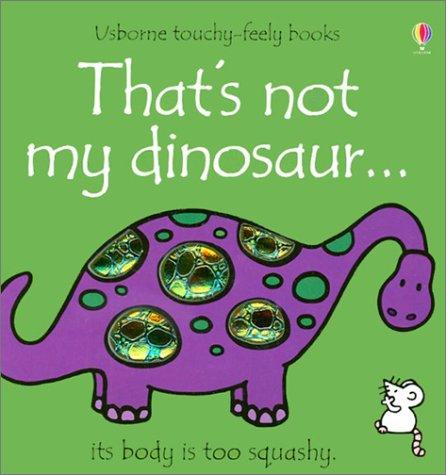
The key differentiator of the "That's Not My..." series is its singular focus on linking tactile adjectives to physical textures. While many board books have sensory elements, this series makes it the core mechanic of the book. The repetition, bright and simple illustrations against white backgrounds, and the charming hunt for the hidden mouse on each page create a powerful and effective tool for early language and sensory development, making it a classic in its category.
This board book follows a simple, repetitive formula. On each two-page spread, a small white mouse observes a Santa figure, declaring "That's not my Santa..." followed by a reason related to a specific touch-and-feel texture on the page (e.g., "his beard is too fluffy," "his sack is too scratchy"). This pattern continues until the final page, where the mouse finds the correct Santa, identified by his soft hat.
This overview was generated by AI based on the book's content and reviews, and may not capture every nuance.