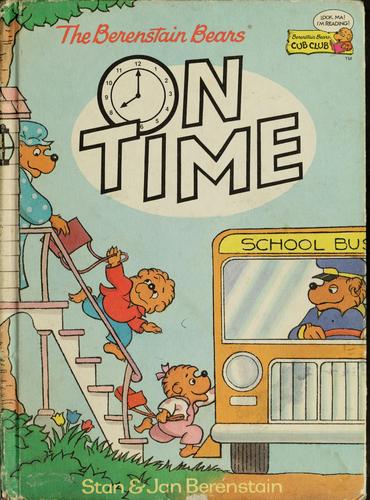
Reach for this book when the nightly struggle over school assignments begins to strain your relationship with your child or when you notice the first signs of procrastination-induced anxiety. It speaks directly to the emotional weight of avoided tasks and the shame that often follows a lack of academic transparency. Brother Bear finds himself in deep water when he ignores his homework in favor of TV and sports, leading to a mounting pile of unfinished work and a looming parent-teacher conference. Through a relatable family lens, the story explores the cycle of worry and the relief found in taking accountability and developing better habits. It is a gentle yet firm tool for modeling time management and honesty for children in early elementary school.
The book deals with school performance and parental disappointment. The approach is direct and secular, showing a realistic consequence of poor choices. The resolution is hopeful and grounded in practical behavior change.
Your experience helps other parents find the right book.
Sign in to write a reviewAn elementary student (ages 6 to 8) who is starting to experience more demanding schoolwork and may be tempted to hide their struggles or prioritize play over tasks.
No special previewing required. The book is designed to be read cold as a conversational starter about family expectations and school routines. A parent might choose this after discovering an unfinished assignment in a backpack or receiving a note from a teacher about missed work.
Younger children (4 to 5) will focus on the humor of the bears and the idea of being 'in trouble.' Older children (7 to 8) will deeply resonate with the specific dread of having a 'homework mountain' and the social pressure of school performance.
Unlike many books that focus on the 'how-to' of studying, this one focuses on the 'emotional why.' It captures the specific psychological burden of procrastination and the restorative power of honesty within a family unit.
Brother Bear neglects his schoolwork to pursue hobbies and television, leading to poor grades and a stressful confrontation with his parents and teacher. The story follows his realization that avoidance creates more work and anxiety than the tasks themselves, ending with a new family system for managing school obligations.
This overview was generated by AI based on the book's content and reviews, and may not capture every nuance.