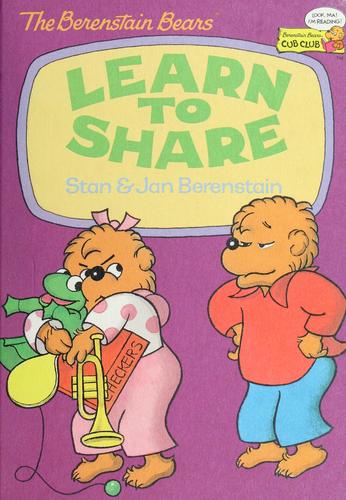
A parent or caregiver should reach for this book when sibling squabbles over toys have reached a fever pitch. This classic story addresses the common childhood struggle of possessiveness head-on. When Brother and Sister Bear's refusal to share escalates into a full-blown fight, Mama Bear implements a clever solution: a special box for all their toys, which can only be opened when they agree to cooperate. The book models a clear and practical strategy for conflict resolution, making the abstract concept of sharing feel concrete and achievable for young children. It's an excellent tool for families seeking a gentle, direct way to teach the value of cooperation and show that playing together is often more fun than playing alone.
This book contains no sensitive topics. The conflict is limited to normative sibling rivalry and is resolved in a constructive, reassuring manner. The approach is secular and focuses on behavioral modeling.
The ideal reader is a 3 to 6-year-old child experiencing intense feelings of ownership and possessiveness. This book is perfect for a child who frequently argues with a sibling or friend over toys, or for an only child learning to navigate group play settings like preschool.
Your experience helps other parents find the right book.
Sign in to write a reviewThe book can be read cold. However, parents should be prepared to discuss Mama Bear's "toy box" solution. If they intend to use a similar method, this book is a perfect primer. If not, they can talk about other ways the family can solve sharing problems. The parent has just mediated yet another argument over a toy. They've heard "It's MINE!" one too many times and are exhausted by the constant conflict. They need a story to help externalize the lesson and provide a shared language for talking about sharing.
A younger child (3-4) will focus on the clear cause and effect: fighting makes toys disappear, sharing brings them back. An older child (5-7) will better understand the emotional nuances, such as why the cubs felt frustrated and how cooperation led to more fun. They can also grasp the concept of fairness more deeply.
Unlike many books on this topic, this one offers a concrete, actionable strategy (the toy box) that parents can adapt in their own homes. The depiction of the sibling conflict feels authentic and relatable. It focuses less on abstract morality and more on the practical, positive outcomes of cooperation, showing that sharing isn't just nice, it's more fun.
Brother and Sister Bear's inability to share their toys, especially a new sailboat, leads to constant bickering and a huge fight. Mama Bear, reaching her limit, takes all their toys and places them in a large box. The cubs can only take a toy out if they agree to share it. After a period of boredom, they decide to try cooperating. They discover that playing together is much more enjoyable and willingly begin to share their things, having learned a valuable lesson.
This overview was generated by AI based on the book's content and reviews, and may not capture every nuance.
