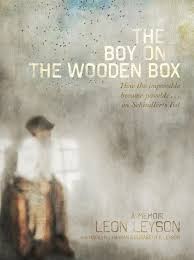
Reach for this book when your child starts asking difficult questions about the Holocaust, human cruelty, or how one person can possibly make a difference against systemic evil. It serves as a gentle but honest bridge for middle grade readers to understand a dark chapter of history through the eyes of someone their own age. This memoir follows Leon Leyson, one of the youngest survivors on Schindler's List, as his childhood in Poland is upended by the Nazi occupation. While the book depicts the harsh realities of the ghetto and concentration camps, it remains anchored in themes of family loyalty and the unexpected sparks of humanity. It is an essential choice for parents looking to discuss moral courage and the importance of standing up for others, even when the risks are immense.
Your experience helps other parents find the right book.
Sign in to write a reviewLoss of siblings and community members is discussed.
The core of the book involves the systemic persecution of Jewish people.
Constant threat of discovery and deportation throughout the war.
The book deals directly with the Holocaust, including the deaths of family members and the systemic dehumanization of Jewish people. The approach is realistic and historical, yet written with a focus on the resilience of the human spirit. The resolution is hopeful but acknowledges the permanent scars of trauma.
A 10 to 12 year old student who is learning about World War II in school and is looking for a personal, relatable perspective on history that emphasizes hope over despair.
Parents should be prepared for descriptions of life in concentration camps. While not gratuitous, the depictions of hunger and the threat of violence are visceral. Reading the afterword together provides excellent closure. A parent might see their child becoming curious about family history or expressing confusion about why people are treated differently based on their background.
Younger readers (age 9-10) will focus on Leon's survival and his relationship with his parents. Older readers (12-14) will better grasp the political nuances and the complex moral ambiguity of Oskar Schindler's character.
Unlike many Holocaust accounts, this is told from the perspective of a child who was actually protected by Schindler, offering a unique 'ground-level' view of a famous historical event with an emphasis on the small acts of kindness that preserved his dignity.
Leon Leyson recounts his life from a carefree childhood in Narewka, Poland, to the horrors of the Krakow Ghetto and Plaszow concentration camp. As the youngest member of 'Schindler's List,' Leon survives through a combination of his family's tenacity and the interventions of Oskar Schindler, eventually immigrating to the United States to build a new life.
This overview was generated by AI based on the book's content and reviews, and may not capture every nuance.