PLOT SUMMARY:
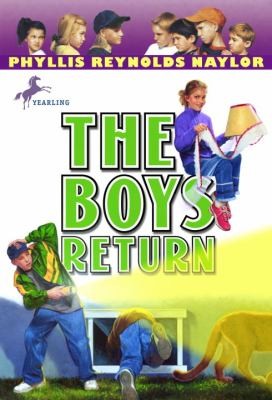
This installment of the long-running boy-girl battle series focuses on a singular, large-scale prank. During spring break, the nine Benson and Hatford boys decide to pool their efforts to make the three Malloy sisters believe their house is haunted. The plot follows the boys through their detailed planning, acquisition of materials (fishing line, flashlights, etc.), and execution of various spooky effects. The girls are initially frightened but quickly become suspicious, leading to a comedic climax where their own cleverness turns the tables on the boys.
SENSITIVE TOPICS:
There are no significant sensitive topics. The 'haunting' is explicitly a prank understood by the reader from the outset. All conflicts are low-stakes and centered on the rivalry. The resolution is humorous and reinforces the ongoing, friendly nature of their competition. The approach is entirely secular and comedic.
EMOTIONAL ARC:
The book maintains a light, energetic, and humorous tone throughout. It starts with mischievous excitement and builds comedic tension as the boys' elaborate plan comes together and is put into action. The emotional experience for the reader is one of sustained giggling and mild, fun suspense, without any real dips into sadness or serious fear. It is a gentle, feel-good read from start to finish.
IDEAL READER:
This book is perfect for an 8-to-11-year-old who loves stories about group dynamics, masterminds kid-led schemes, and enjoys slapstick or situational humor. They are likely fans of series like Gordon Korman's books or "The Terrible Two." This reader appreciates the 'how-to' of a great prank as much as the outcome itself.
PARENT TRIGGER:
The parent has a child who is either currently engaged in a prank war with siblings or friends, or who simply loves the idea of a clever trick. They are looking for a book that channels this mischievous energy into a fun, harmless narrative and models (in a silly way) creative problem-solving and teamwork.
PARENT PREP:
No preparation is necessary. The book can be read cold. The pranks are imaginative but not easily replicable in a dangerous way. A parent could use the story to launch a discussion about empathy in pranking: how can you make sure a joke is fun for everyone involved?
AGE EXPERIENCE:
A younger reader (8-9) will focus on the funny gags and the clear 'boys vs. girls' rivalry. They will enjoy the descriptions of the spooky effects. An older reader (10-12) will appreciate the cleverness and logistical challenges of the prank. They will also pick up more on the individual personalities within the large group of boys and the underlying friendship that fuels the rivalry.
DIFFERENTIATOR:
Unlike many prank books that focus on one-on-one gags, this book is about a large-scale, collaborative project. It's a 'heist' novel for the middle-grade set, where the prize is scaring the neighbors. The detailed focus on the planning and execution of the prank sets it apart, appealing to kids who like to see how things work.