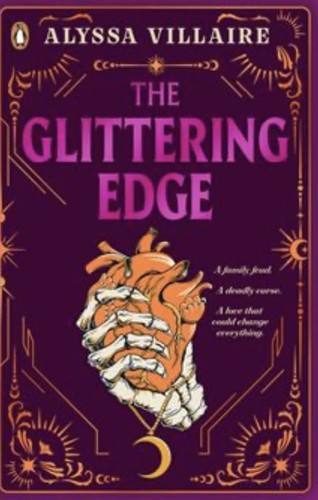
For young adults navigating the sharp realities of an unforgiving world, this gripping tale explores the search for identity and the courage to stand out.
A parent might reach for this book when their teen is struggling to find their place, feeling pressured to hide what makes them unique, or questioning their own talents. It's a powerful fantasy novel about a young woman whose rare and dangerous magic makes her an outcast in a society that demands conformity. While navigating a treacherous magical academy, she must decide whether to suppress her identity to survive or embrace her power to save her world. This book is a great choice for teens aged 13 and up who love immersive fantasy but also need to see characters grapple with real-world feelings of loneliness, self-doubt, and the courage it takes to be different.
Characters make difficult choices; the line between right and wrong is sometimes blurred.
Sensitive Topics
The book's primary sensitive topic is the exploration of identity, specifically feeling like a dangerous outsider. This is handled metaphorically through the magic system, where Elara's 'different' ability is a stand-in for any trait that can lead to social ostracism or systemic discrimination. The approach is secular. The resolution is hopeful, championing self-acceptance and the idea that one's perceived flaws can be their greatest strengths.
Ideal Reader
A teen, 14-17, who feels like an outsider or is struggling with 'imposter syndrome'. This reader enjoys complex world-building and character-driven fantasy but is specifically looking for stories that mirror internal struggles about self-worth and belonging. Perfect for fans of the 'magic school' trope who are ready for a more mature, political take on the genre.
Parent Prep
Parents should be aware of scenes depicting intense bullying and social exclusion. The fantasy violence, while not graphic, can be intense. The book can be read cold, but parents might want to prepare for conversations about conformity, prejudice, and the pressure to succeed, as the academy setting is highly competitive and unforgiving. A parent overhears their teen saying, "I wish I were normal," or, "No one understands what it's like to be me." The parent may notice their child hiding their unique interests or passions to better fit in with a peer group.
Age Experience
A younger teen (13-14) will likely focus on the exciting plot, the magic system, and the developing friendships and rivalries. An older teen (15-18) will connect more deeply with the allegory for systemic injustice, the critique of educational institutions, and the complex moral questions about whether to change a broken system from within or tear it down.
What Makes It Special
Unlike many YA fantasies where magic is simply a tool, this book intricately weaves the protagonist's specific type of magic into her psychological journey. The 'glittering edge' serves as a direct and powerful metaphor for living with a hidden difference (like neurodiversity or a specific identity), and the narrative deeply explores the emotional cost and exhaustion of masking one's true self.
Read plot summary
In the rigidly structured nation of Atheria, magical ability determines one's worth. Elara possesses a rare and volatile form of magic known as the 'glittering edge', a power deemed uncontrollably dangerous and outlawed. Sent to the prestigious Solstice Academy, she must conceal her true nature among peers who both fear and envy power. When a shadowy blight begins to consume the kingdom's magic, Elara discovers her forbidden ability may be the only key to stopping it. She forges an uneasy alliance with a disillusioned prefect and another magical outcast, navigating school politics, ancient secrets, and the constant threat of exposure in a race to save a world that would rather see her caged.
This overview was generated by AI based on the book's content and reviews, and may not capture every nuance.
Discussion Prompts
1
Elara's 'glittering edge' magic is feared because it's different and unpredictable. How does the way Atherian society treats her magic reflect how people in the real world sometimes react to things they don't understand?
2
At the academy, Kael advises Elara to suppress her power to survive, while Ren encourages her to master it in secret. Whose advice did you find more compelling, and why? Did your opinion change by the end of the story?
3
The Chancellor believes that controlling magic is necessary for peace and order, even if it means suppressing individuals like Elara. Can a society be truly fair if it limits the potential of some of its citizens for the sake of stability?
4
Think about the moment Elara finally uses her full power in public. Was this an act of desperation or an act of self-acceptance? Discuss the difference.