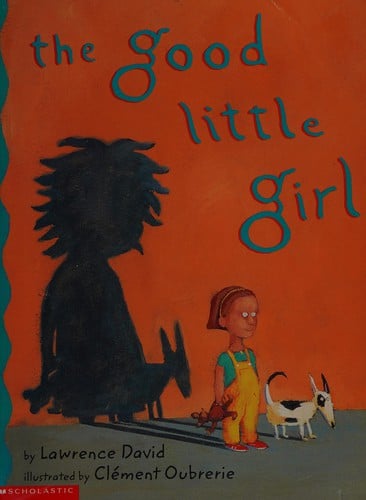
Lawrence David's 'The Good Little Girl' offers a poignant and accessible exploration of a child's inner world when faced with feelings of neglect. The story centers on Miranda, who, feeling overlooked by her parents, develops a 'monstrous, misbehaving alter ego'—a 'mean green girl' who acts out all the suppressed anger and frustration. This alter ego serves as a brilliant metaphorical representation of big, difficult emotions that children often struggle to articulate or control.
The book handles sensitive topics like parental neglect and childhood anger with a gentle, understanding tone. It doesn't shy away from the 'terrible things' the alter ego says, but frames them within Miranda's internal struggle, making it relatable rather than alarming. The emotional arc likely moves from initial distress and confusion to a resolution where Miranda learns to acknowledge and manage these feelings, leading to a more integrated sense of self.
This book is specifically for children aged 4-11 who might be experiencing feelings of being ignored, or who are struggling with expressing their anger in constructive ways. A parent would reach for this book when their child is acting out, having tantrums, or withdrawing due to unexpressed emotions. Before reading, parents might want to prepare by discussing that sometimes our feelings can feel so big they're like a separate part of us, and that it's okay to feel them, but we need to learn how to manage them. Younger children (4-6) will connect with the visual representation of the 'mean green girl' and the basic idea of big feelings, while older children (7-11) can delve deeper into the themes of identity, self-control, and communication within the family. What makes this book different is its vivid personification of difficult emotions, providing a concrete image for children to understand and discuss their own inner 'mean green girls' or 'boys.'