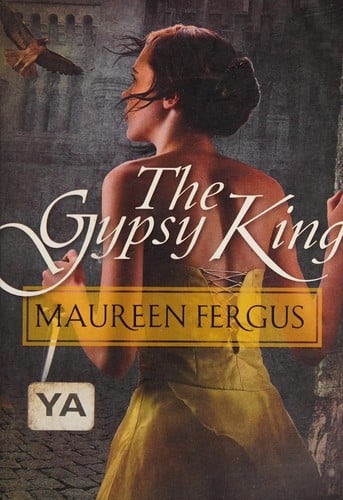
Gypsy King by Maureen Fergus presents a sweeping historical fiction narrative, firmly placing it in the young adult category despite a conflicting publisher age range. The story centers on Persephone, a 16-year-old runaway slave, whose fierce desire for freedom drives her every action. Her journey takes an unexpected turn when she is sold to Azriel, a charismatic chicken thief who hints at a prophetic destiny for Persephone. The core conflict revolves around Persephone's internal struggle to reconcile her yearning for liberty with her burgeoning romantic feelings for Azriel, and the mysterious 'special destiny' he believes she possesses. The book handles the sensitive topic of slavery by depicting Persephone's lived experience, her constant peril, and her unwavering spirit for self-determination. While the descriptions of her enslavement are poignant, the focus remains on her resilience and agency rather than graphic depictions of violence. The emotional arc is one of steady tension and growing hope, as Persephone navigates dangerous situations and complex emotions, leading to a climactic revelation. This book is specifically for young adult readers, likely ages 12-18, who are ready for a substantial, character-driven historical novel with romantic and adventurous elements. A parent might reach for this book when their teen is seeking an immersive read that combines historical context with a strong female protagonist and a compelling love story. Parents should be prepared to discuss the historical context of slavery, the themes of discrimination, and the moral complexities of the characters' choices. The book's length (448 pages) and mature themes make it unsuitable for younger children, despite the stated 4-11 age range, which appears to be an error. Older elementary readers (10-11) might be able to read it independently, but the emotional depth and historical weight will resonate more fully with middle and high schoolers. Its blend of historical realism, adventure, and a touch of magical realism (through the prophecy element) sets it apart from purely historical accounts, offering a unique and engaging reading experience. The title 'Gypsy King' itself could be a point of discussion, as 'Gypsy' is often considered a pejorative term for Romani people; however, the narrative does not explicitly connect Persephone or Azriel to Romani heritage, suggesting it might be used metaphorically for a free spirit.